Szilveszter Makó(실베스터 마코)
Szilveszter Makó
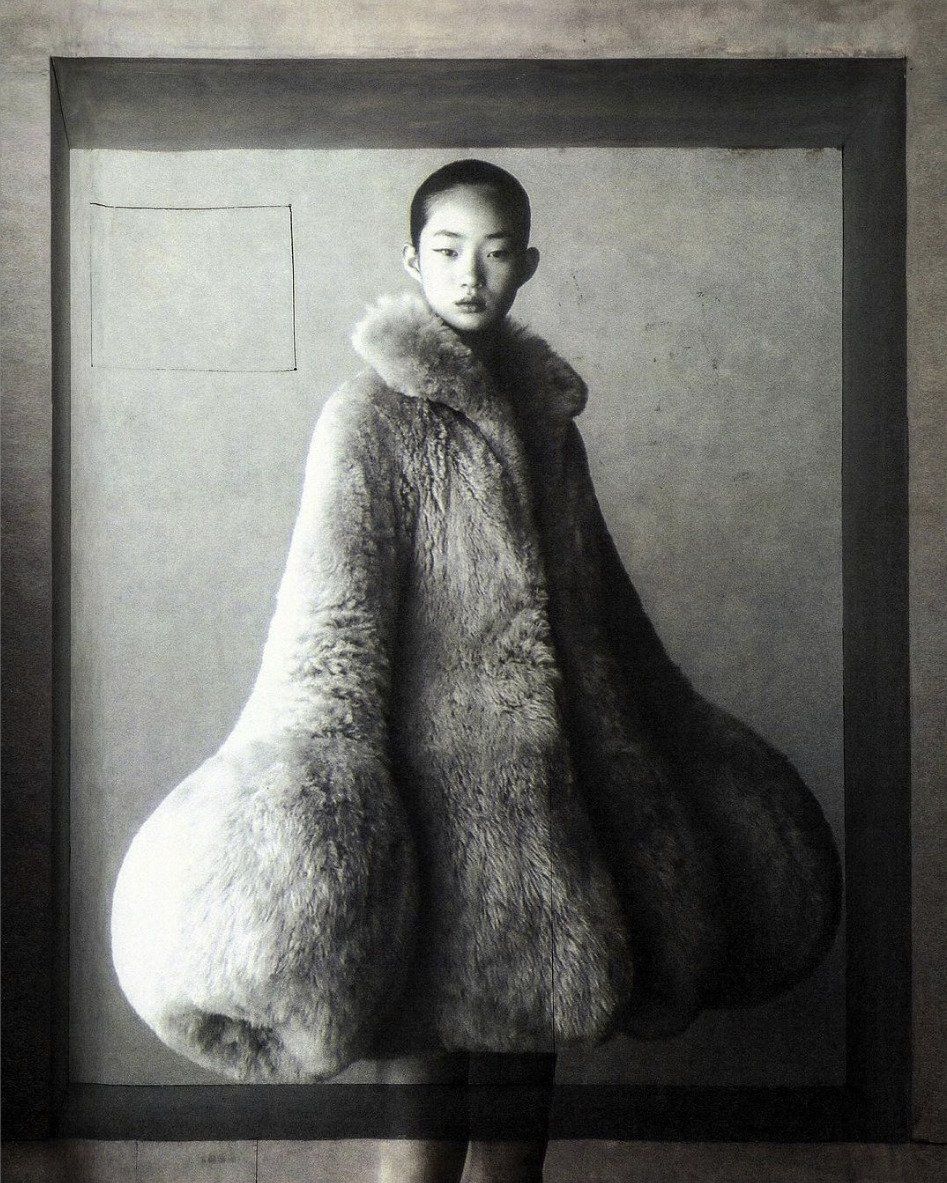
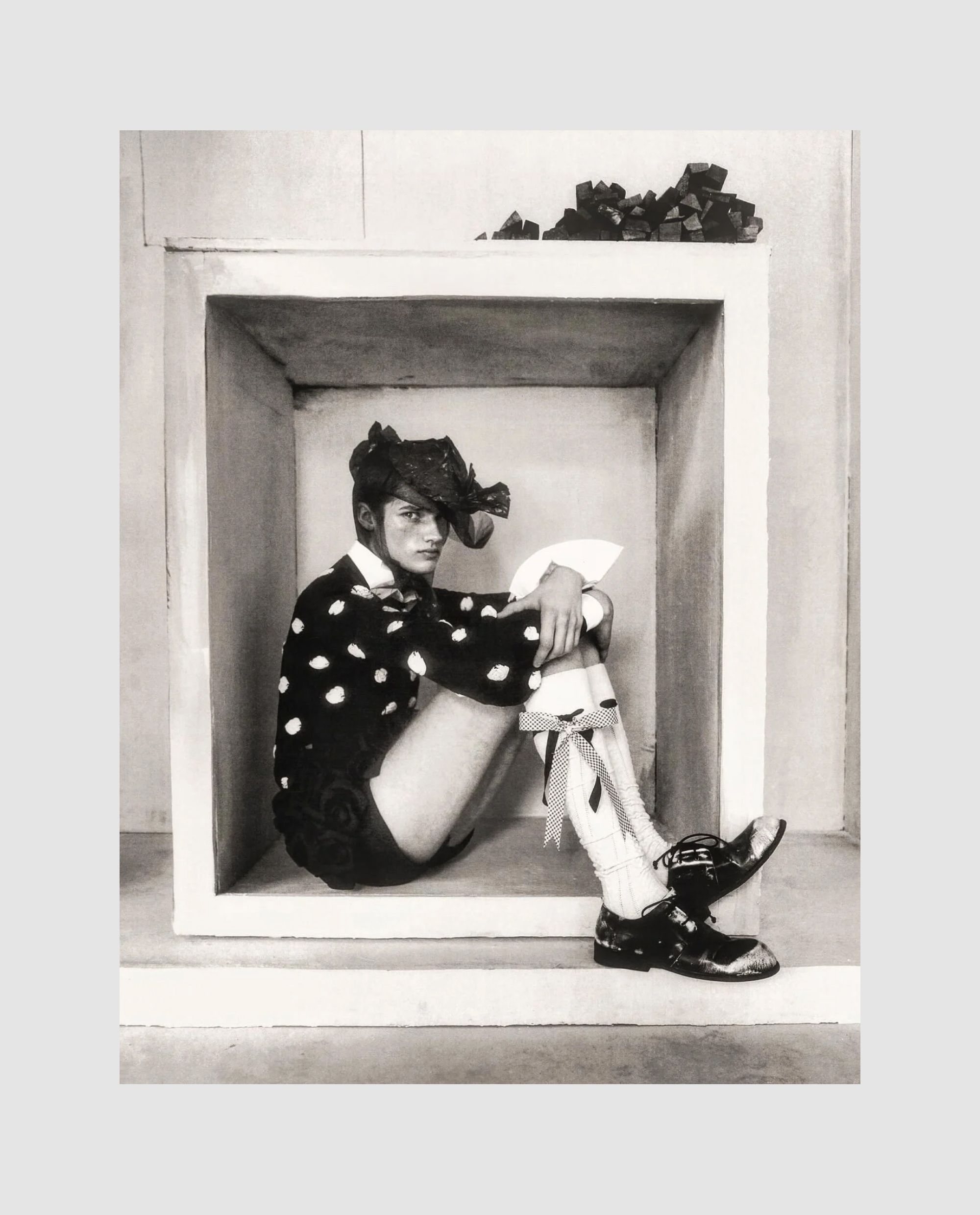
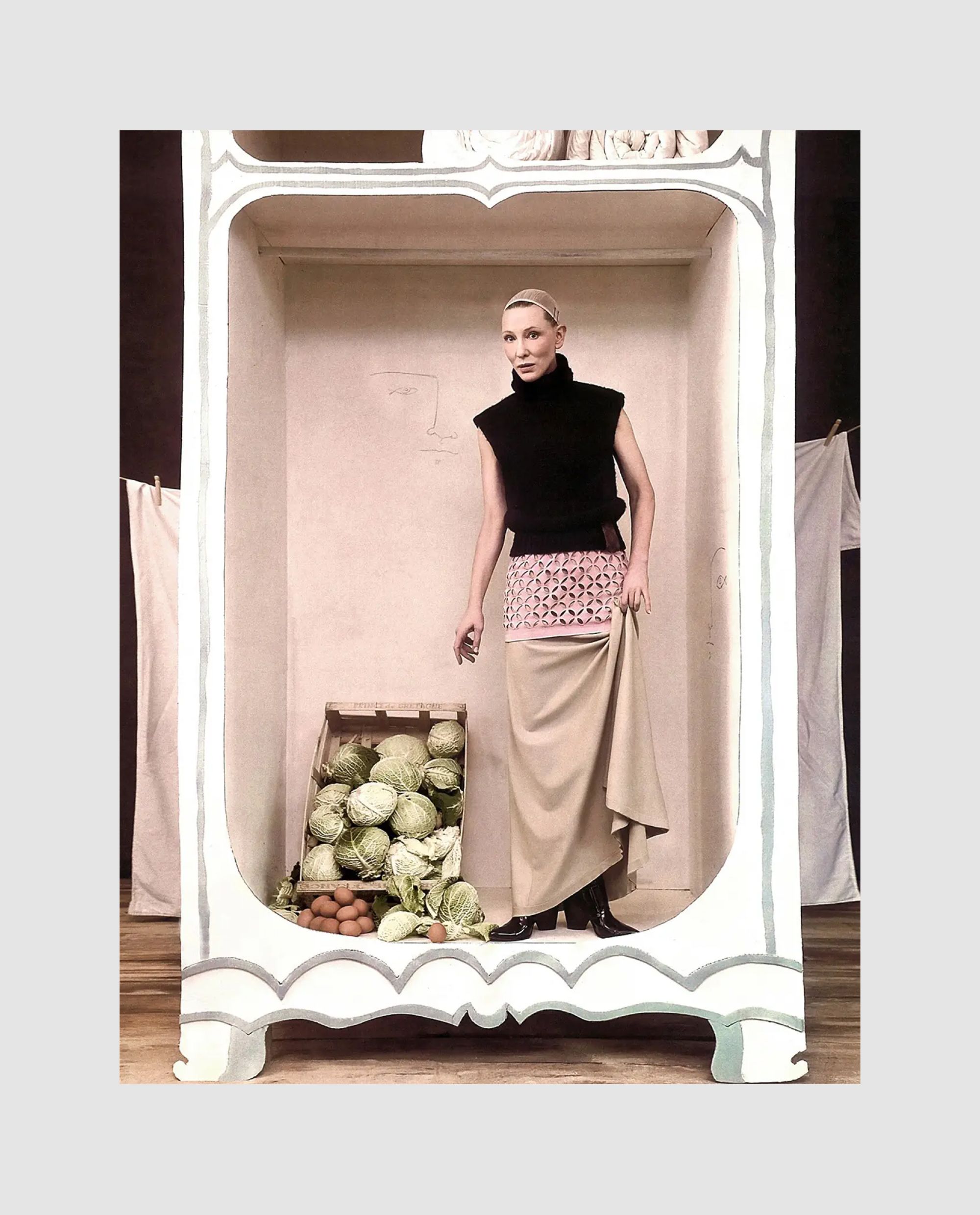
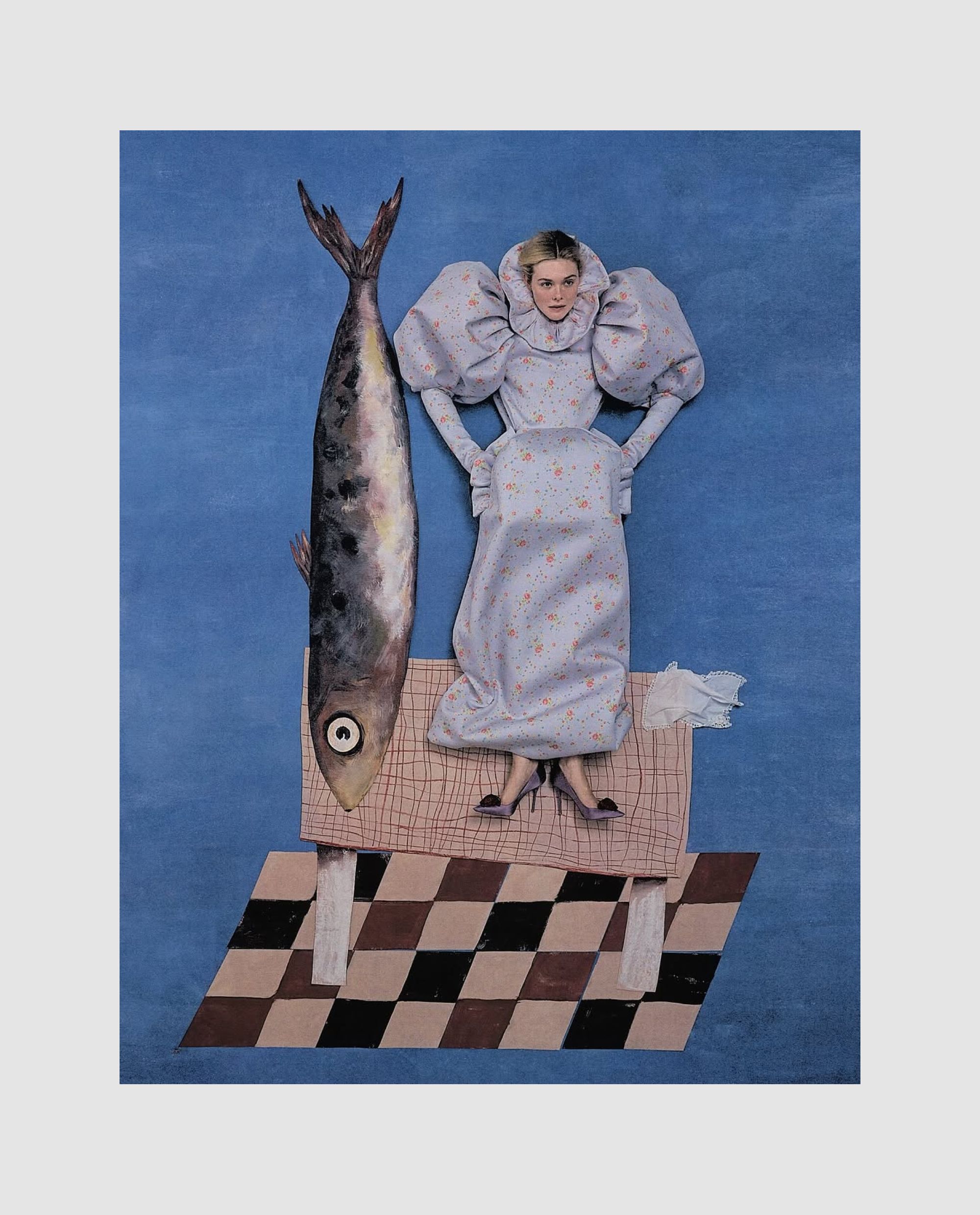
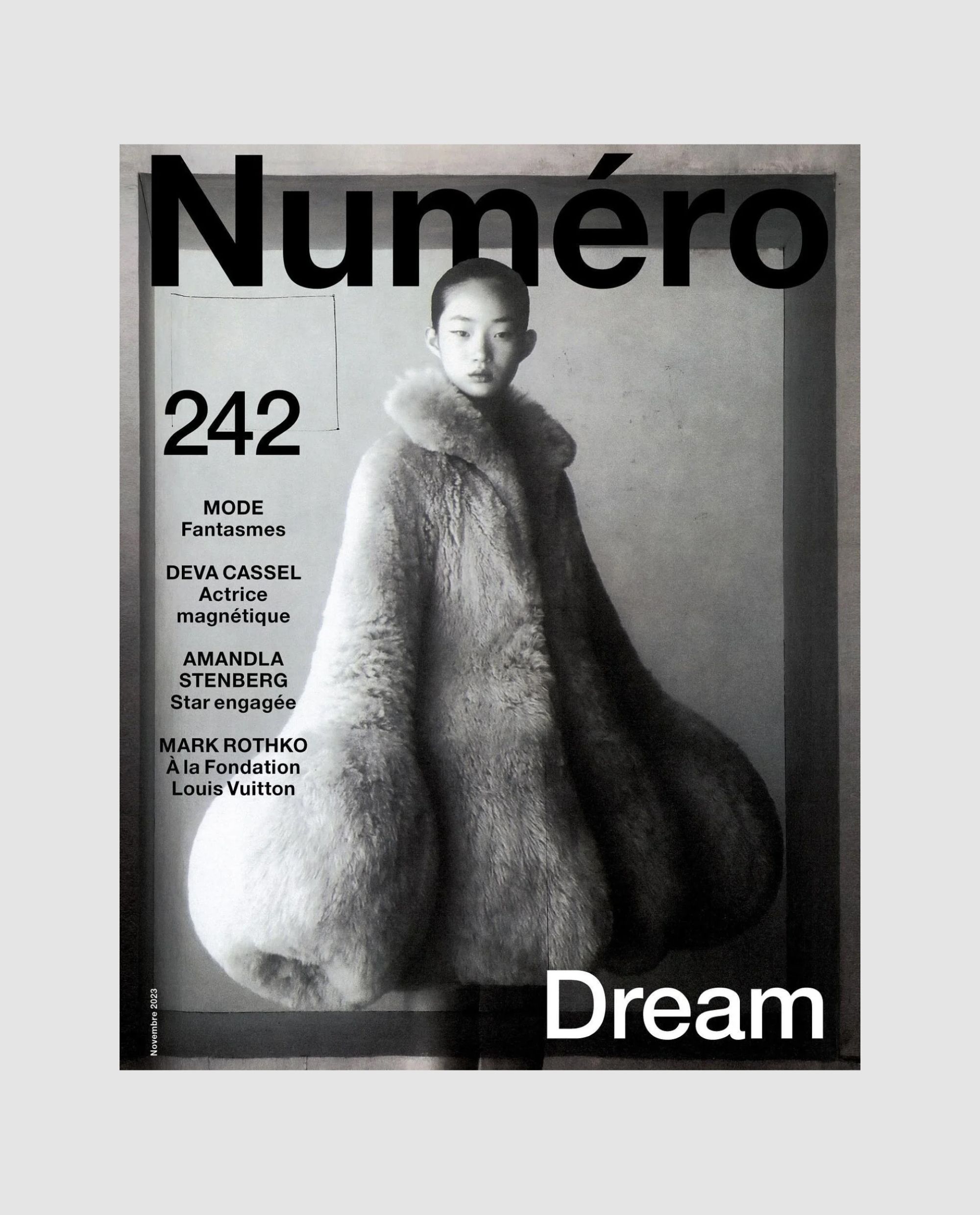
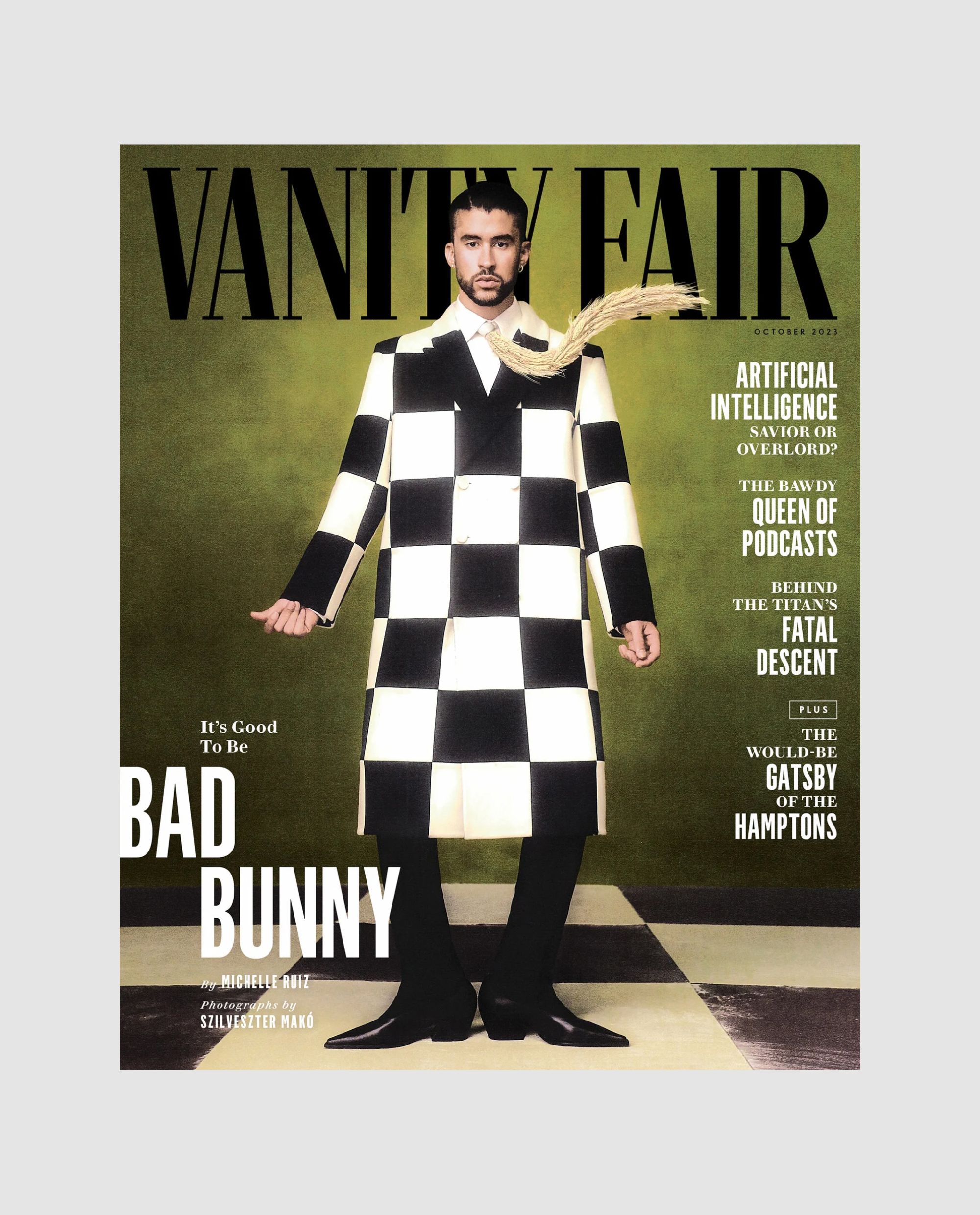
이미지는 때로 설명을 필요로 하지 않는다. 마코의 사진이 그렇다. 강하게 말하지 않지만 오래 남는다. 인물은 또렷하게 서 있으면서도 어딘가 시간 밖에 놓여 있고, 빛은 과장되지 않지만 형태를 단단히 붙잡는다. 그는 장면을 소비하지 않고, 천천히 자신만의 세계를 구축한다. 회화적 질감과 인물의 밀도를 동시에 다루며 사진을 단순한 기록이 아닌, 오래 지속될 수 있는 형식으로 다룬다. 화려한 장치 대신 절제된 연출, 빠른 결과 대신 느리지만 견고한 축적.
그의 작업은 트렌드에 기대지 않는다. 그렇기에 많은 이들과 브랜드가 그의 시선을 찾는다. 이번 인터뷰는 그가 이미지를 대하는 태도와, 그 안에 남겨두는 여백에 대한 이야기다. 송지오 캠페인 촬영을 위해 처음 한국을 찾은 마코와 이야기를 나눴다.
Q. 간단한 자기소개와 하고있는 작업들에 대해 소개 부탁한다.
Q. Please briefly introduce yourself and the work you are currently involved in.
A. 나는 나 자신을 엄격하게 ‘사진가’로 규정하고 싶지 않다. 나는 하나의 장면 전체를 지휘하고, 이미지가 렌즈를 만나기 이전부터 이미지를 구축한다. 사진은 그저 하나의 매체일 뿐이다. 하나의 프레임 안에서 경계를 설정하면서도 그 안에서 자유를 표현할 수 있게 해주는 수단이다.
현재는 밀라노를 기반으로 활동하고 있지만, 나는 헝가리 릴라퓌레드에서 자랐다. 석탄과 먼지, 맨벽돌로 이루어진 작은 마을이었다. 그곳에서 형성된 기반, 조부모 세대의 규율, 포스트 공산주의적 질서는 결코 나를 떠난 적이 없다. 그것은 내가 보고 창조하는 모든 것을 지탱하는 내면의 건축물과 같다.
나의 작업은 상업 캠페인, 에디토리얼, 그리고 개인 프로젝트를 아우르지만, 그 경계는 항상 명확하지 않다. 브랜드를 위해 촬영하든, 나 자신을 위해 작업하든, 내가 스스로 부여하는 제약과 구축하는 구성은 모두 같은 근원에서 출발한다. 패션과 함께 작업하긴 하지만, 나의 이미지는 전통적인 의미의 패션 사진은 아니다. 그것들은 기억과 발명 사이, 또 다른 차원에 속해 있다.
A. I don't like to define myself strictly as a photographer. I orchestrate the entire tableau, I craft the image before it ever meets the lens. Photography is simply the medium that allows me to define boundaries while expressing freedom within a single frame.
I am based in Milan now, though I grew up in Lillafüred, Hungary, a small place built on coal, dust and bare brick walls. That foundation, the discipline of my grandparents' generation, the post-communist order, it never left me. It's the internal architecture that shapes everything I see and create.
My work spans commercial campaigns, editorials and personal projects, but the line between them is not always clear. Whether I'm shooting for a brand or for myself, the restrictions I impose, the compositions I build, they come from the same place. I work with fashion, yes, but my images are not fashion in the traditional sense. They belong to another dimension, somewhere between memory and invention.
Q. 패션 브랜드와의 협업, 개인 작업, 아트 프로젝트까지 폭넓은 활동들로 바쁜 나날을 보내고 있을 것 같다. 요즘 근황이 궁금하다.
Q. Between collaborations with fashion brands, personal work, and art projects, you seem to be keeping very busy. How have you been lately?
A. 바쁘긴 하지만, 나는 이 방식이 좋다. 내 머릿속은 구조와 루틴, 하나의 프로젝트에서 다음 프로젝트로 넘어가는 리듬을 필요로 한다. 그것이 없으면 나는 쉽게 불안해진다.
최근에는 평소보다 더 많이 이동하고 있다. 송지오 작업으로 한국에 다녀왔고, 조부모님을 뵙기 위해 헝가리에도 들렀으며, 밀라노에서는 계속해서 작업을 이어가고 있다. 각 장소는 나에게서 서로 다른 무언가를 끌어낸다. 동시에 나는 민속적인 요소들, 특히 동유럽의 직물과 수공예 오브제들을 다시 들여다보고 있다. 여행하는 곳마다 오래된 천, 조각된 나무 물건들처럼 이미 여러 삶을 살아온 것들을 수집한다. 그렇게 모인 것들은 결국 내 스튜디오에 도착한다.
또 하나는, 지금 나는 이차원에 대해 더 깊이 탐구하고 있다. 수년간 내 작업의 핵심 요소였던 ‘박스’는 점점 평면화되고 있다. 원근은 새로운 방식으로 충돌하고 있다. 이것이 어디로 향하게 될지는 아직 모르겠다. 다만 자연스럽게 그 흐름을 따라가고 있을 뿐이다. 지난 1년간 보고 느낀 모든 것을 흡수하고 소화하는 과정에 있는 것 같다고 느낀다. 그리고 늘 그렇듯, 그 안에서 결국 무언가는 모습을 드러낼 것이다.
A. Busy, yes, but I prefer it this way. My mind demands structure, routine, the rhythm of moving from one project to another. Without it, I become restless.
Recently I've been traveling more than usual. Korea for Songzio, back to Hungary to see my grandparents, and continuous work in Milan. Each place pulls something different out of me. I've also been revisiting folklore, particularly Eastern European textiles and handmade objects. I collect them wherever I go, old fabrics, carved wooden pieces, things that have lived many lives before they reach my studio.
I'm also exploring the two-dimensional more deeply now. The box, which has been a fixture in my work for years, is flattening. Perspective is colliding in new ways. I don't know where this will lead, but I follow it naturally. I think I'm in a state of digestion, absorbing everything I've seen and felt over the past year. Something will emerge from it, it always does.
Q. 정식 교육보다는 독학으로 자신만의 톤을 구축해온 것으로 알고있다. 그 과정에서 ‘이것이 나만의 아이덴티티(언어)가 담긴 스타일이다’라고 처음 확신하게 된 작업이나 시점이나 작업이 있다면 들려주실 수 있을까요?
Q. You are known for developing your visual tone largely through self-directed practice rather than formal education. Was there a particular moment or project when you first felt confident and thought, “This is my own visual language”?
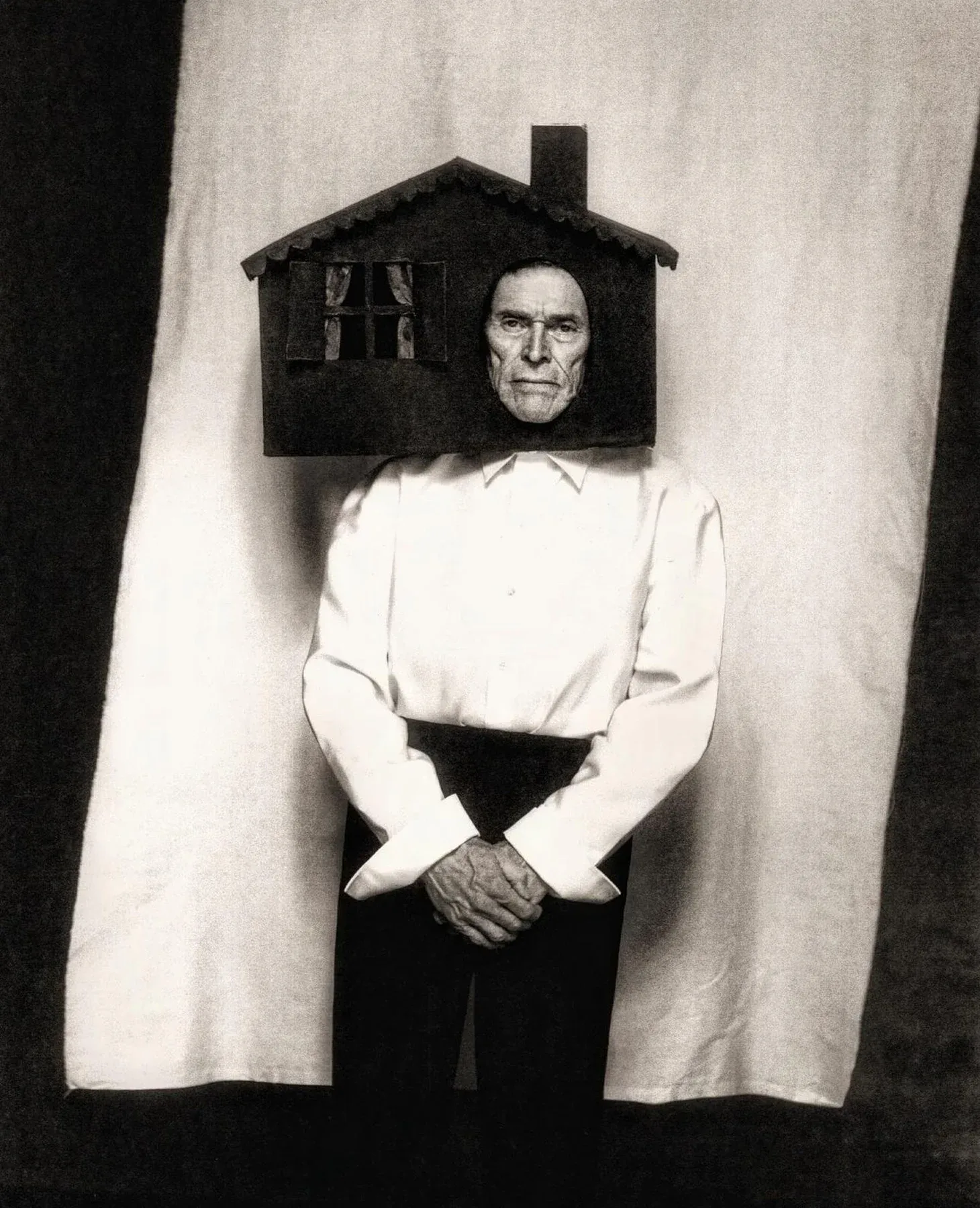
A. 윌렘 대포 사진. 그 작업이 전환점이었다.
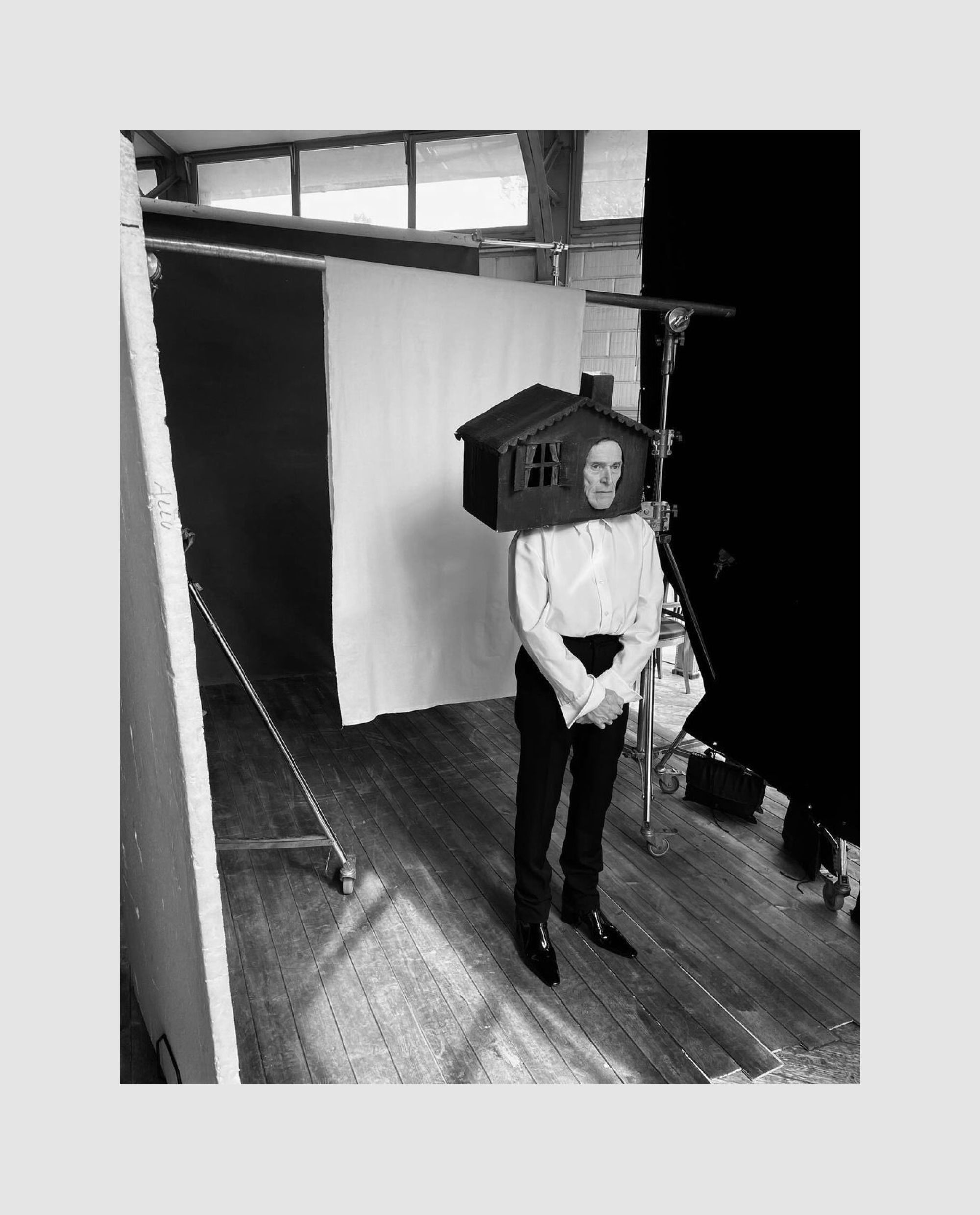
GQ 이탈리아를 위해 그를 촬영해 달라는 요청을 받았고, 처음 주어진 브리프는 단순했다. 깔끔하게, 수트를 입고 서 있는 모습, 흑백 촬영. 하지만 그 방식은 어딘가 어긋나 있다고 느꼈다. 수트를 입은 윌렘 대포의 모습은 이미 수없이 반복되어 왔다. 나는 그것을 개인적인 이미지로 만들고 싶었고, 그가 지닌 존재의 무게를 담아내고 싶었다.
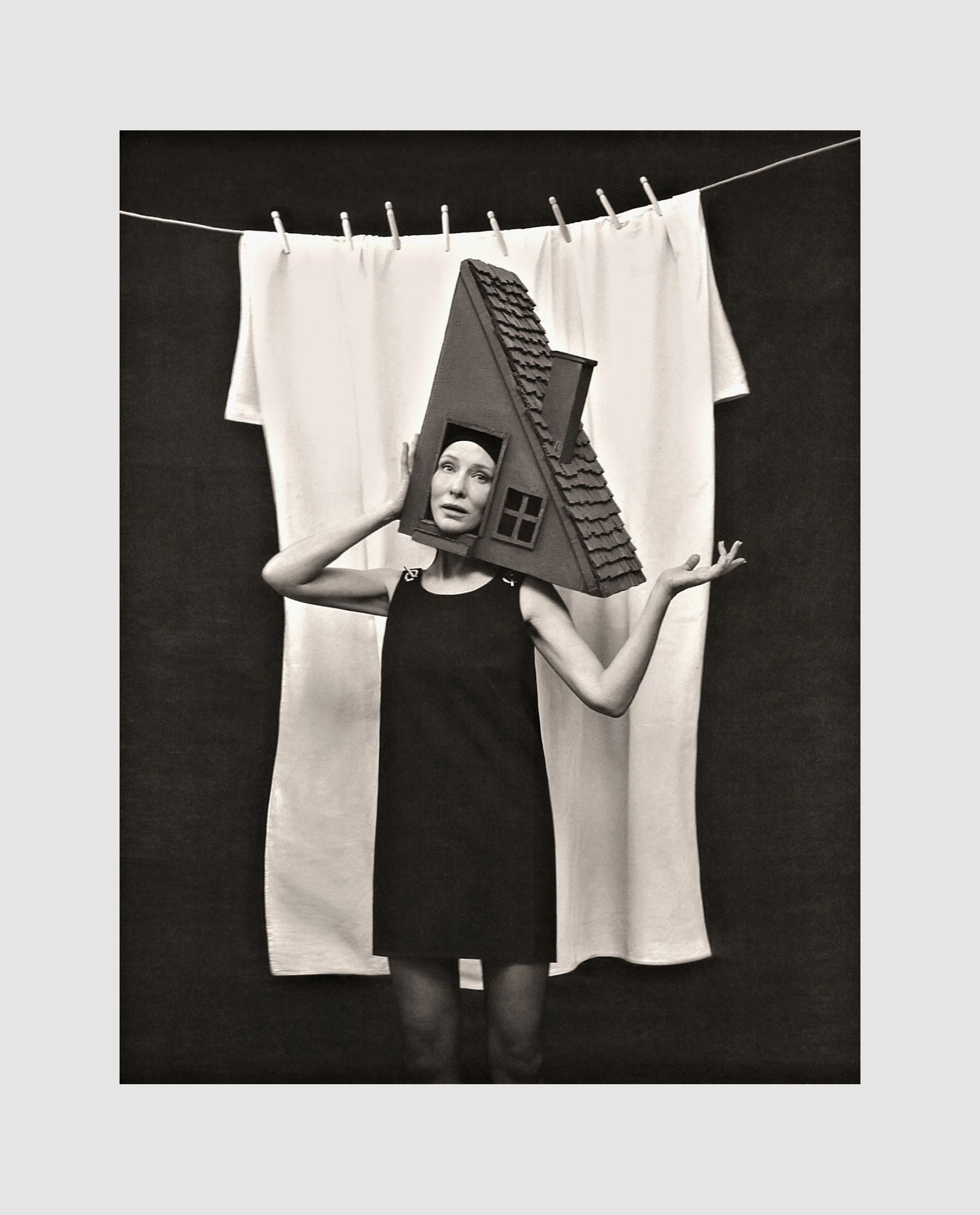
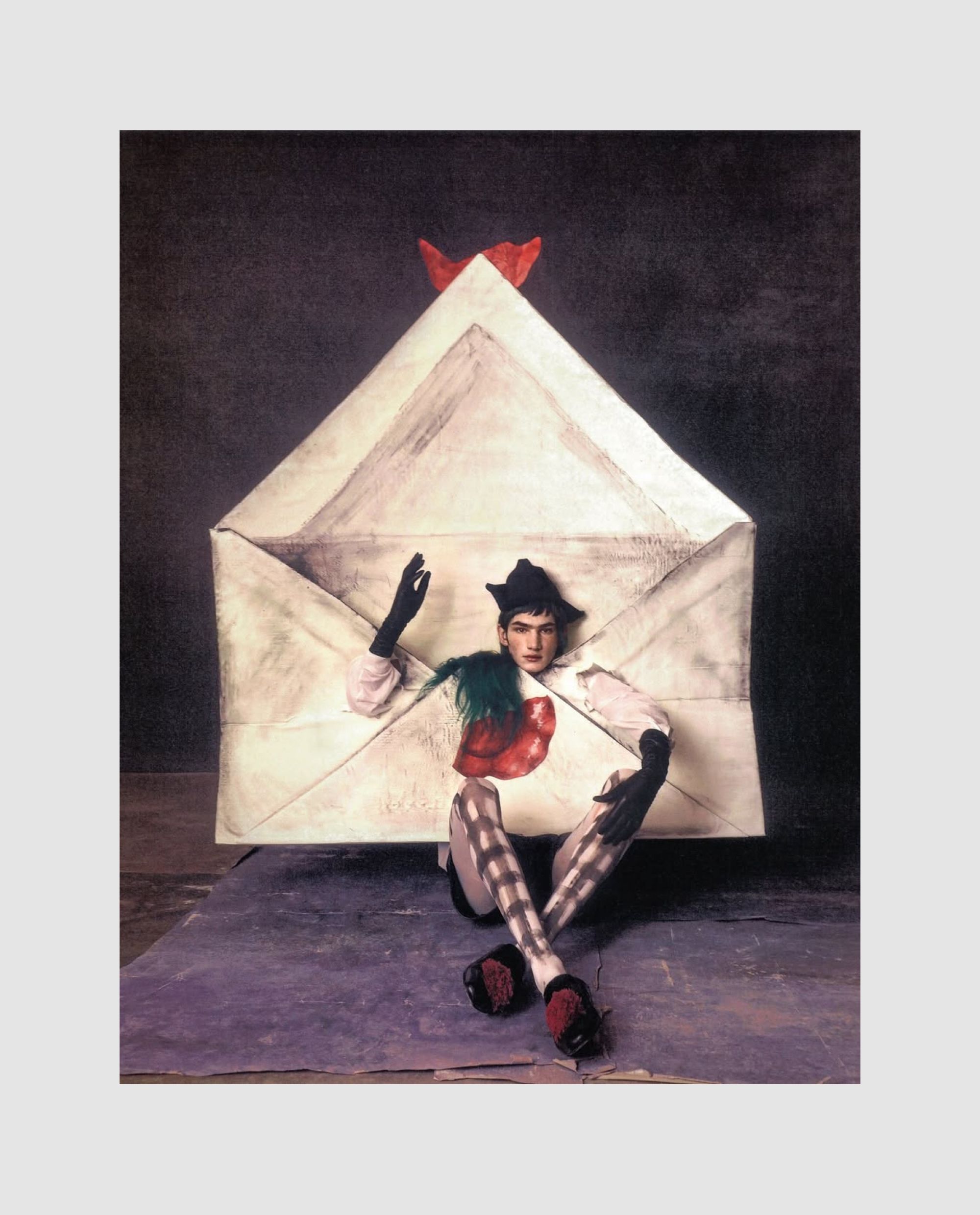
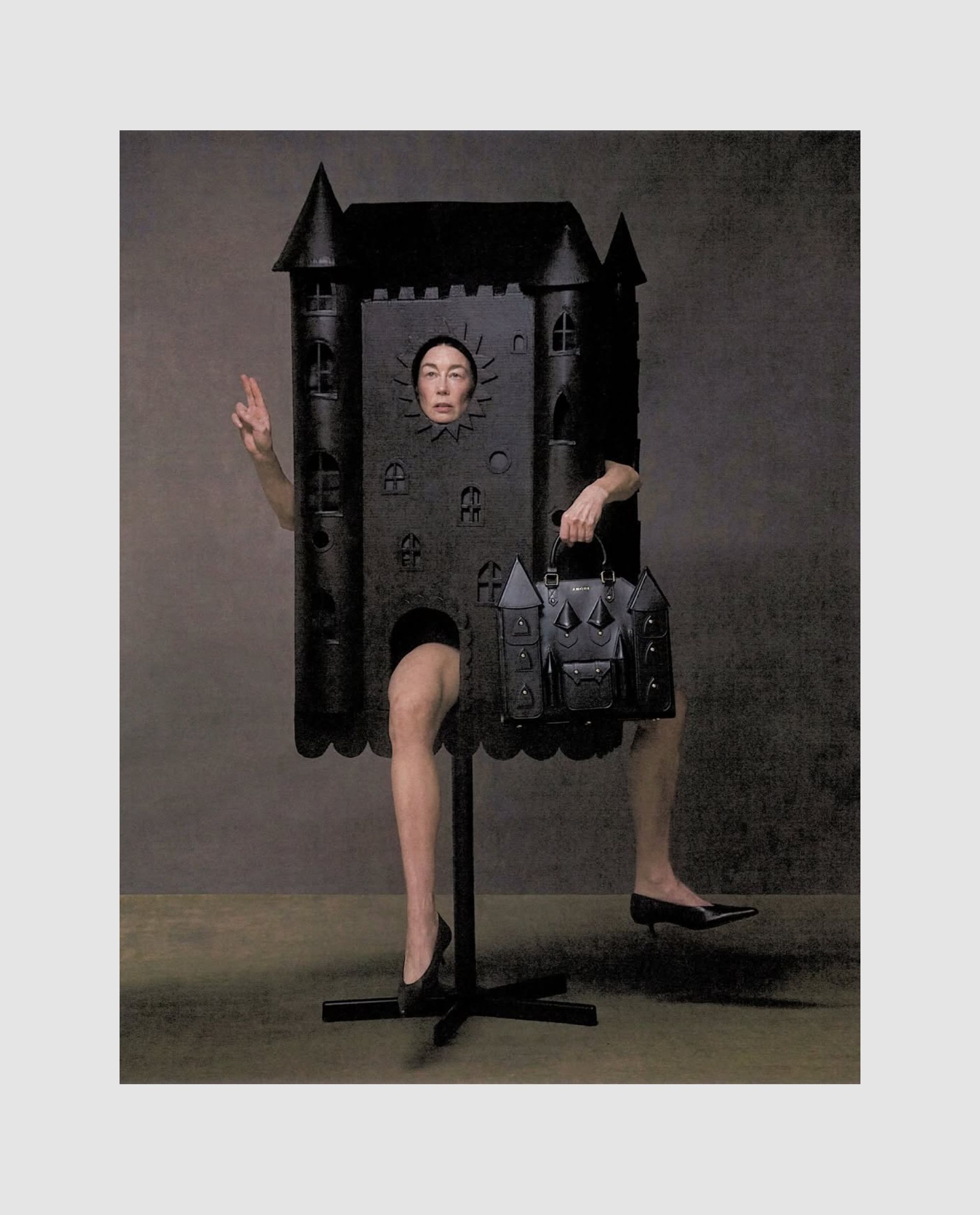
그 촬영 몇 달 전, 나는 헝가리에 있는 조부모님을 찾아갔었다. 할머니와 함께 어린 시절 사진들을 들여다보다가, 머리에 골판지 집을 쓰고 있는 유치원 시절의 내 모습을 발견했다. 조부모님은 매우 보수적인 분들이었고, 헝가리의 카니발인 ‘파르샹(Farsang)’을 탐탁지 않게 여기셨다. 그래서 정식 복장 대신, 교복 같은 단정한 옷을 입히고, 내가 자라던 집을 닮은 머리 장식을 직접 만들어 주셨던 것이다.
윌렘을 촬영하던 순간, 그 기억이 불현듯 떠올랐다. 나는 그에게 집을 머리에 쓰고, 부모에게 혼나서 방 한쪽에 서 있는 아이처럼 행동해 달라고 부탁했다. 세 컷을 찍고 나서, 나는 이미 원하는 이미지를 얻었다.
그 사진은 나에게 엄청난 깊이를 지닌다. 조부모님과의 기억, 동유럽에서의 성장 배경, 그리고 이후 수년간 내 작업을 규정하게 될 박스와 경계의 개념까지 모두 그 안에 담겨 있다. 바로 그 순간, 나는 확신했다. 이것이 나의 언어라는 것. 이것이 내가 말하고 싶은 세계라는 것을.
A. The Willem Dafoe photograph. That was the turning point.
I was asked to shoot him for GQ Italia, and the initial brief was simple, clean, standing in a suit, shot in black and white. It felt irregular to go this way. Willem Dafoe in a suit has been done a thousand times before. I wanted to make it personal, to carry the weight of who he was.
Months before that shoot, I was back in Hungary visiting my grandparents. My grandma and I were looking through childhood photographs and I saw an image of my kindergarten self with a cardboard house on my head. My grandparents were very conservative, they didn't approve of Farsang, the Hungarian carnival. So instead of a costume, they dressed me in formal school wear and built this headpiece resembling the house I grew up in.
When I was photographing Willem, that memory surfaced. I asked him to wear the house on his head and act as if his parents had just sent him to the corner for misbehaving. Three shots in, I had the image.
That photograph, it holds immense depth to me. It's tied to my grandparents, to my Eastern European upbringing, to the boxes and boundaries that would define my work for years to come. That was the moment I knew. This is my language. This is what I want to say.
Q. 사진을 시작하기 전엔 회화를 공부한 것으로 알고있다. 시각적인 자료 즉, 이미지를 다루는 일을 시작하게된 구체적인 사건이나 계기가 있는가?
Q. Before turning to photography, you studied painting. Was there a specific moment or experience that led you to start working with images and photography?
A. 우연처럼 일어난 일이었지만, 나는 이제 더 이상 우연을 믿지 않는다. 무작위처럼 보이는 모든 것은, 스스로의 논리를 드러내기까지 기다리고 있는 인내의 다른 이름일 뿐이다.
학창 시절 내내 나는 그림을 그렸고, 헝가리에서 가장 권위 있는 학술 경연 대회인 OKTV에 출전하곤 했다. 하지만 늘 같은 문제가 있었다. 제출 마감 전에 항상 시간이 부족했다. 해마다 어김없이 반복되는 일이었다. 그러던 어느 해, 한 친구가 원본 대신 작업을 사진으로 찍어 제출해 보라고 제안했다. 그저 실용적인 해결책처럼 보였을 뿐, 그 이상은 아니었다.
나는 작품을 촬영해 제출했고, 그 결과 1등을 차지했다.
그 사소한 제안, 친구의 한마디가 모든 것을 바꿔 놓았다. 나는 그때 깨달았다. 사진은 회화가 줄 수 없었던 것을 내게 준다는 것을 시간에 대한 통제였다. 한 순간은 숨처럼 스쳐 지나가지만, 바로 그 찰나 안에서 나는 완전한 창작의 주권을 가진다. 그 순간이 어떻게 붙잡히고, 어떤 구도로 담기며, 어떻게 기억될지는 전부 나의 선택에 달려 있다.
비슷한 시기, 내가 열다섯 살이었을 때 나는 미용사로 일하고 있었다. 어머니에게서 배운 기술이었다. 이모(emo) 신에 깊이 빠져 있었고, 머리카락으로 실험을 시작했다. 표범 무늬로 염색하고, 각진 앞머리를 탈색하고, 불규칙한 형태를 깎아냈다. 하나의 헤어스타일을 완성할 때마다 사진을 찍어 마이스페이스에 올렸고, 나는 그 작업들이 지금도 매우 자랑스럽다.
내가 거쳐 온 모든 창작 매체의 이면에는 늘 사진이 흐르고 있었다. 언제나 그 자리에 있었고, 내가 그것을 알아봐 주기만을 기다리고 있었다.
A. It happened by accident, though I don't believe in accidents anymore. Everything that seems random is just patience waiting to reveal its logic.
I was painting throughout my school years, competing in OKTV, Hungary's prestigious academic competition. But I had a problem, I always ran out of time before submission. Like clockwork, every year, the same thing. One year, a classmate suggested I photograph my artwork instead of submitting the original. It seemed like a practical solution, nothing more.
I submitted the photograph and came in first place.
That small gesture, that suggestion from a classmate, it changed everything. I realized photography gave me something painting couldn't, control over time. A moment passes in a breath, but in that moment, I have complete creative sovereignty. How it's held, framed, remembered, every element is shaped by my choices.
Around the same time, when I was 15, I was working as a hairdresser, a craft I learned from my mother. I was immersed in the emo scene and I began experimenting with hair, dying leopard spots, bleaching blunt bangs, carving out irregular styles. With each finished hairstyle I took a picture and shared it on MySpace. I'm still very proud of that work.
Through every creative medium I explored, photography was an ever-present undercurrent. It was always there, waiting for me to recognize it.
Q. 회화를 공부했던 경험이 지금 당신의 이미지에 영향을 주는 것 같은지, 만약 그렇다면 어떤 부분에 영향을 주고있는지 궁금하다.
Q. Do you feel that your background in painting still influences your work today? If so, in what ways does it shape your images?
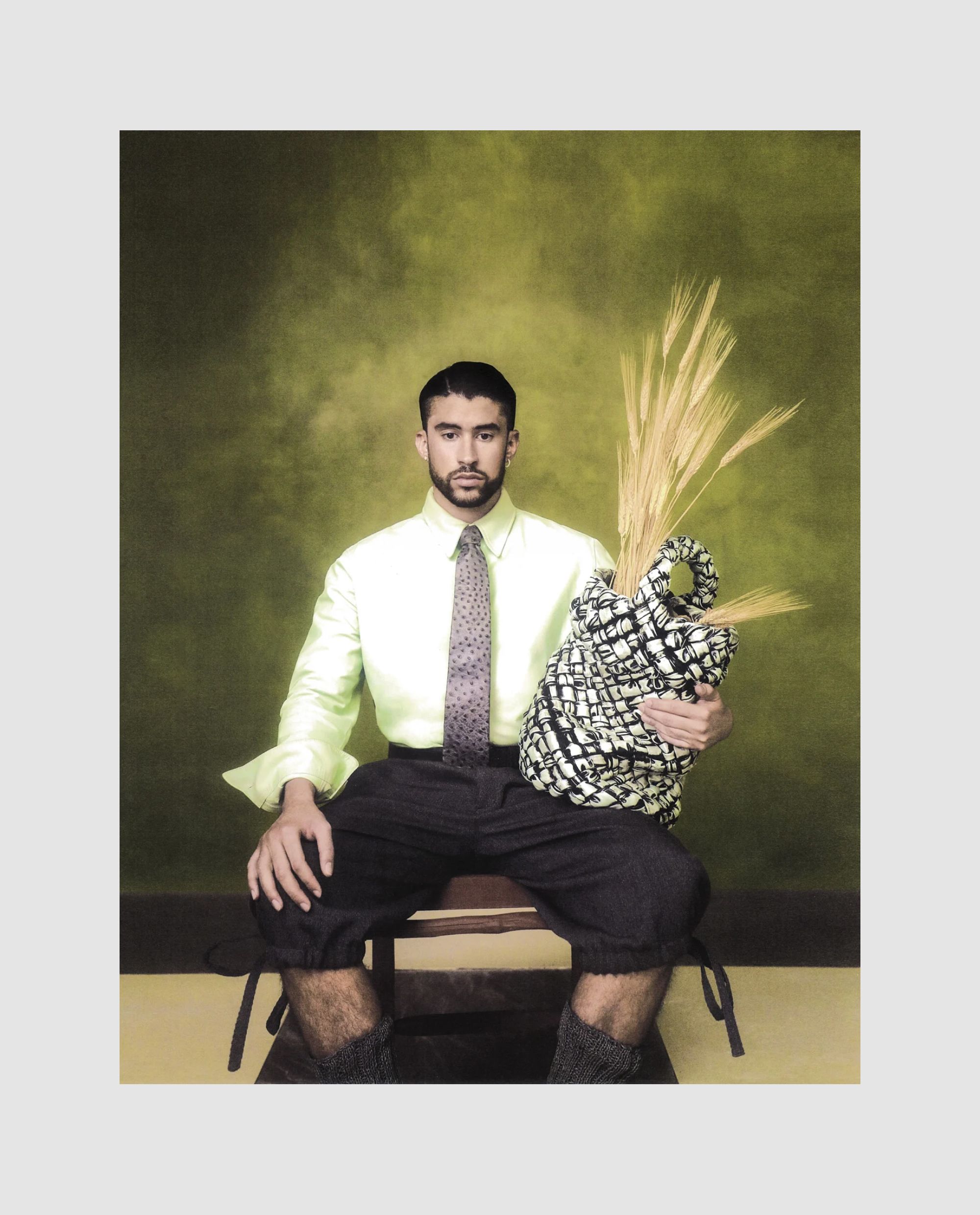
A. 의심할 여지 없이 그렇다. 내 사진에는 손으로 만진 듯한 질감, 거칠고 드로잉 같은 성질이 스며 있다. 그것은 ‘손이 닿은 이미지’에 대한 나의 동경에서 비롯된다. 어쩌면 나는 무의식적으로 과거의 화가였던 나 자신에게 경의를 표하고 있는지도 모른다.
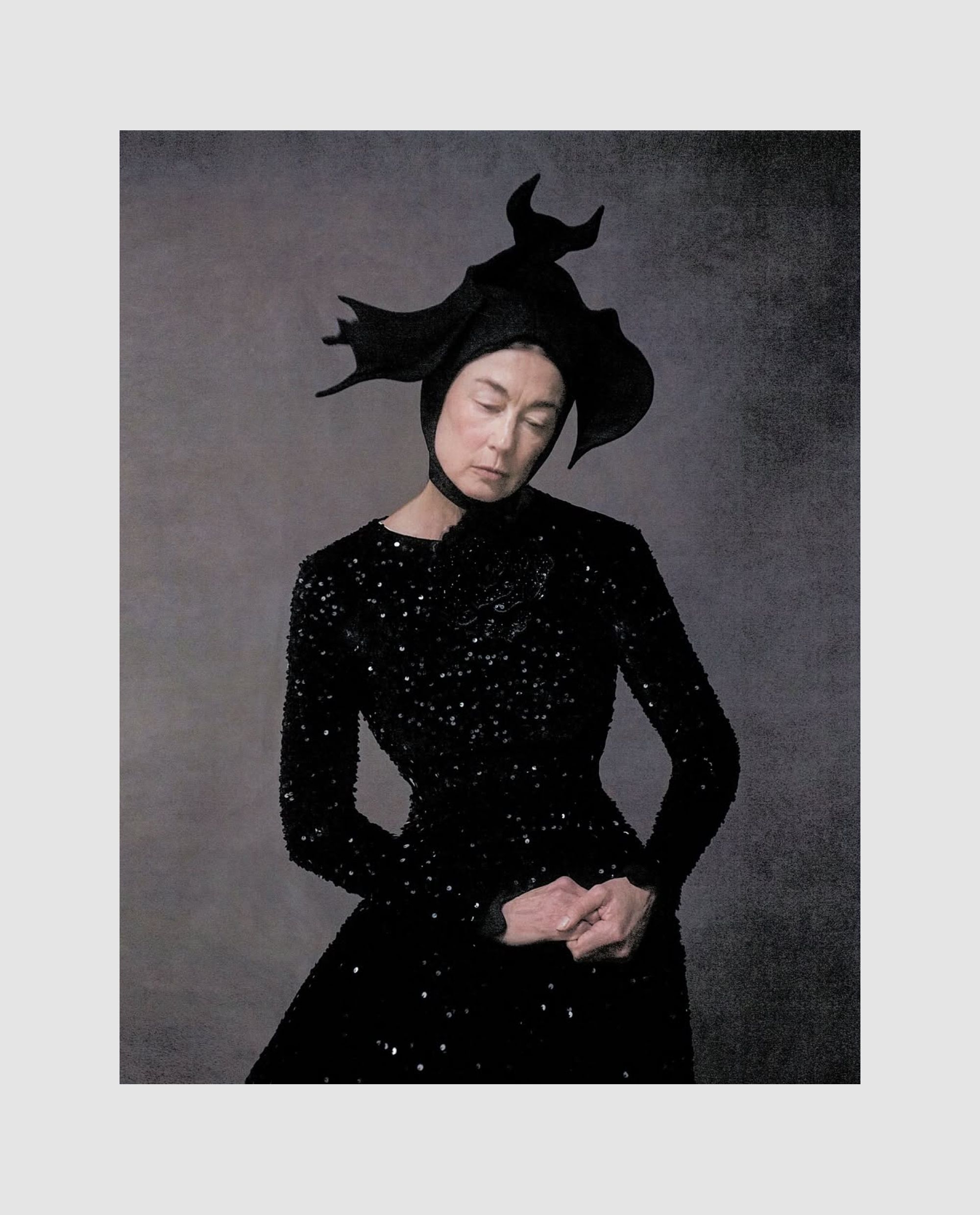
내 작업의 많은 부분은 키아로스쿠로, 즉 명암의 대비에서 형성된다. 카라바조 같은 화가들이 완성했던 빛과 그림자의 상호작용이다. 나는 안료가 바래고, 오래된 회화가 시간 속에서 색을 잃어가는 그 느낌을 은은하게 닮은, 절제된 대지색 계열에 끌린다. 사람들이 종종 말하는 ‘르네상스적’ 분위기 역시 이제는 의식적으로 추구하는 것은 아니지만, 내가 세상을 바라보는 방식 안에 이미 깊이 새겨져 있다.
나는 구도 또한 화가처럼 접근한다. 카메라가 등장하기 전부터 이미지를 만들고, 세트를 구축하고, 소품과 의상, 빛을 설계한다. 사진은 그렇게 이미 존재하고 있던 하나의 구축된 장면을 기록하는 마지막 단계에 불과하다. 그런 의미에서 사진은 또 하나의 붓일 뿐이다.
그러나 회화는 또 다른 것을 내게 가르쳐 주었다. 인내심, 그리고 노동하는 손이다. 나의 후반 작업 과정은 시간이 많이 들고, 거의 고고학적이라 할 만큼 느리다. 집요함을 요구하고, 이미지가 이상화된 상태에 도달할 때까지 곁에 머무는 과정을 필요로 한다. 그것은 회화적 배경에서 비롯된 믿음이다. 이미지는 완성되는 것이 아니라, 적절한 순간에 비로소 내려놓아질 뿐이라는 생각.
A. Undeniably, yes. There's a textured, rough, hand-drawn quality to my photographs that comes from an admiration for images that feel touched by hand. There's a possibility I am unconsciously paying homage to my past painter self.
Much of my work is shaped by chiaroscuro, the interplay of light and shadow that painters like Caravaggio mastered. I'm drawn to muted earthy tones that softly echo the look of pigment degradation, the way old paintings age and their colors shift over time. That Renaissance quality people often mention, it's not something I consciously chase anymore, but it's embedded in the way I see.
I also approach composition the way a painter would. Before the camera is ever involved, I build the image, the set, the props, the costumes, the light. The photograph is simply the final recording of something that already exists as a constructed tableau. In that sense, photography is just another brush.
But painting taught me something else, patience. The labored hand. My post-production process is time-consuming, almost archaic. It asks for obsession, for sitting with an image until it reaches a state of idealisation. That comes from my painting background, the belief that an image is never finished, only abandoned at the right moment.
Q. 카메라의 발명은 회화 중심의 시각 문화를 바꿔놓았지만, 당신의 사진은 오히려 그 이전의 감각을 떠올리게 합니다. 당신이 추구하는 사진의 존재와 왜 여전히 사진이어야 하는지 궁금합니다.
Q. While the invention of the camera transformed a painting-centered visual culture, your photographs often feel as if they reference an earlier sensibility. What does photography mean to you today, and why does it still need to be photography?
A. 나에게 사진은 현실을 보존하는 수단이 아니다. 나는 다큐멘터리 사진가가 아니다. 내 이미지는 이미 존재하는 세계를 비추지 않는다. 그것들은 내 마음속 또 다른 차원, 내면의 풍경에 속해 있다.
사진이 회화와 구분되는 지점은 즉시성과 통제력이 동시에 존재한다는 것이다. 스튜디오에서 소품과 의상, 구축된 세트들로 둘러싸여 있을 때, 모든 것이 정렬되는 아주 찰나의 순간이 찾아온다. 빛, 포즈, 표정, 분위기까지. 그 순간은 숨처럼 스쳐 지나가지만, 나는 그것을 포착한다. 붙잡는다. 그리고 이후의 후반 작업을 통해, 그것을 기록이라기보다 꿈에 가까운 형태로 다시 빚어낸다.
나는 고대 그리스 조각가들이 대리석을 다루던 방식으로 이상화를 추구한다. 삶을 그대로 모사하는 것이 아니라, 그것을 더 고양된 무언가로, 하나의 서사처럼 휘어지게 만드는 것이다. 나는 시선의 낭만적인 가장자리, 현실이 서서히 일그러지기 시작하는 지점에 서 있고 싶다. 내 사진들이 꿈이 돌아오는 영역, 상상이 깨어나는 공간에서 숨 쉬기를 바란다.
그럼에도 불구하고 그것은 반드시 사진이어야 한다. 사진은 진실과 허구 사이에 본질적인 긴장을 품고 있기 때문이다. 회화를 볼 때 우리는 그것이 만들어진 것임을 자연스럽게 받아들인다. 하지만 사진을 볼 때는, 조작되었다는 사실을 알면서도 어딘가에서는 ‘실제로 일어났던 일’이라고 믿게 된다. 그 믿음, 현실과 상상 사이에 잠시 걸려 있는 그 상태야말로 내 작업이 머무는 장소다.
사진은 또한 규율이다. 경계를 제공한다. 스튜디오라는 무한한 개방 속에서 길을 잃지 않고 A에서 B로 이동할 수 있게 해준다. 프레임, 노출, 순간 이것들은 내가 스스로에게 부여한 제한들이고, 내 감각은 그러한 질서를 필요로 한다.
A. Photography, for me, is not about preserving reality. I am not a documentary photographer. My images do not mirror what already exists, they belong to another dimension, the landscape of my own mind.
What photography gives me that painting cannot is immediacy combined with control. In the studio, surrounded by props and costumes and constructed sets, there is a fleeting moment when everything aligns, the light, the pose, the expression, the mood. That moment passes in a breath, but I capture it. I hold it. And then, in post-production, I reshape it into something closer to a dream than a document.
I chase idealisation the way the ancient Greeks carved marble, not by copying life but by bending it into something more elevated, like a tale. I prefer to stand at the romantic edge of vision, where reality begins to warp. I want my pictures to breathe in the same territory where dreams return, where imagination wakes.
But it must still be photography because photography carries an inherent tension between truth and fiction. When you see a painting, you accept it as constructed. When you see a photograph, there's a part of you that believes it happened, even if you know it's been manipulated. That belief, that suspension between real and imagined, is where my work lives.
Photography is also discipline. It gives me boundaries. I can move from A to B without losing myself in the openness of the studio. The frame, the exposure, the moment, these are restrictions I create for myself, and my senses demand that order.
Q. 당신의 사진에서 단순한 시대적 고증을 넘어선 장치들, 이미지에서 들어나는 수공예적 요소 역시 인상적이다. ‘손의 흔적’이 남은 불완전함을 선택한 이유가 궁금하다.
Q. Beyond historical references, your work often features visible devices and handcrafted elements. What draws you to imperfection and the visible traces of the hand?
A. 완벽함은 차갑다. 불완전함에는 온기가 있고, 시간이 있고, 그것을 만든 사람의 존재가 남아 있다.
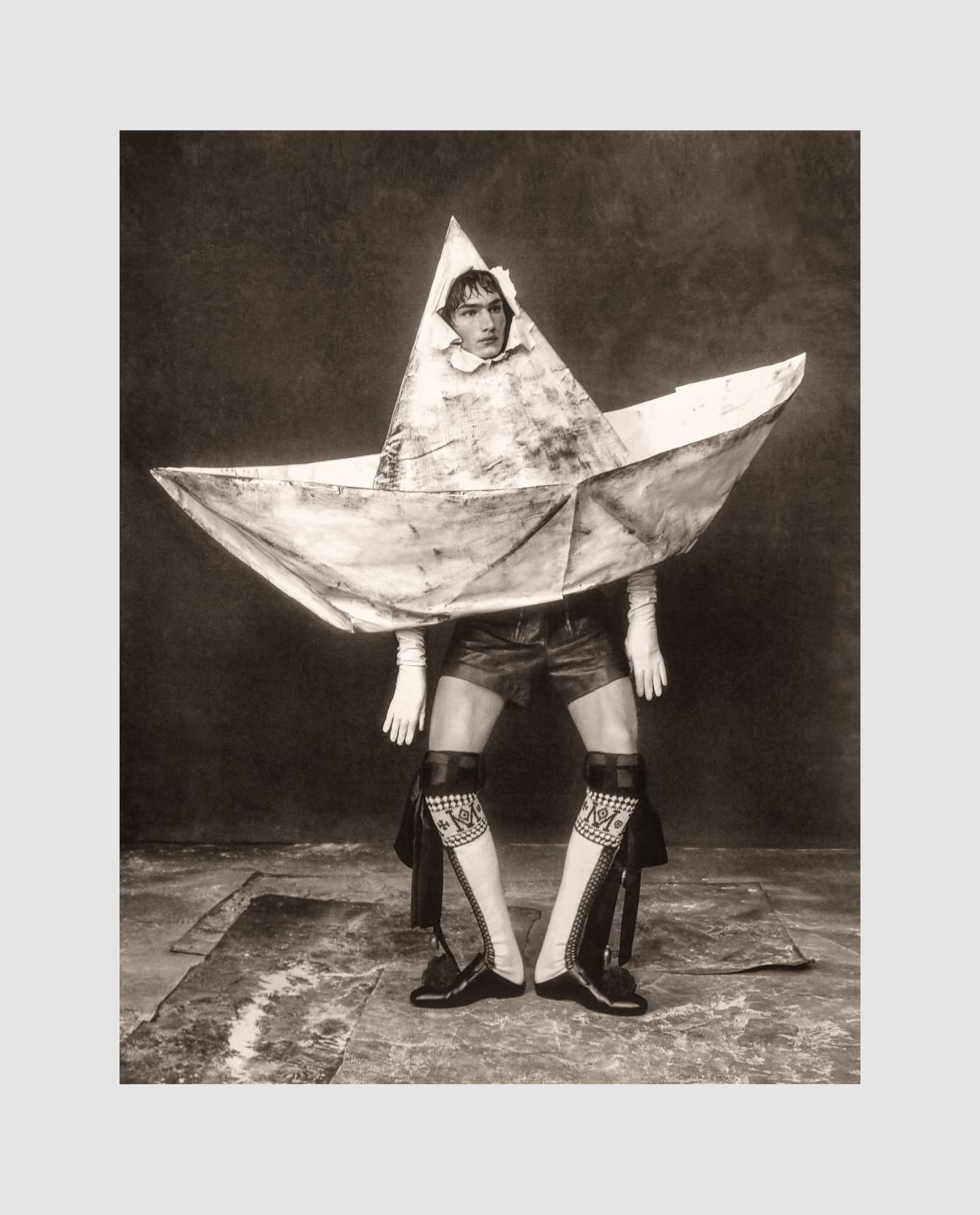
내가 골판지를 사용하고, 바닥 위에 박스를 직접 그려 넣고, 재활용 목재로 머리 장식을 만들 때, 내 손의 흔적은 그대로 드러난다. 물감은 고르게 발리지 않을 수도 있고, 가장자리는 정확히 맞지 않을 수도 있으며, 재료에는 세월의 흔적이 남아 있을 수도 있다. 하지만 이것들은 실수가 아니다. 그것들은 노동의 증거이고, 들인 시간의 기록이며, 인간의 존재를 말해주는 흔적이다.
나는 손으로 일하는 조부모님의 모습을 보며 자랐다. 할머니는 바느질을 했고, 할아버지는 무언가를 만들었다. 버려지는 것은 없었고, 일회적인 것도 없었다. 고장 나면 고쳤고, 필요하면 직접 만들었다. 재료와 노동을 존중하는 그 윤리, 그 태도는 내 안에 깊이 새겨져 있다.
손으로 만든 요소들은 오늘날 패션 사진을 지배하는 지나치게 매끈하고 무균적인 미학에 저항한다. 나는 내 이미지가 공장에서 찍어낸 것처럼 보이길 원하지 않는다. 손이 닿았고, 삶을 살아온 것처럼 느껴지길 바란다. 접히고, 칠해지고, 열 번도 넘게 다시 사용된 골판지 한 조각은, 아무 흠 없는 새 물건보다 훨씬 더 많은 의미를 품고 있다.
여기에는 민속과의 연결도 있다. 전통 공예, 민속 의상, 수공으로 만든 직물들은 결코 완벽하지 않았다. 그것들은 기능적이었고, 개인적이었으며, 손에 닿는 재료로 만들어졌다. 그 불완전함이야말로 그것들을 아름답게 만든다. 그리고 바로 그 지점이, 그것들을 인간적으로 만든다.
A. Perfection is cold. Imperfection has warmth, it has history, it has the presence of the person who made it.
When I use cardboard, when I paint a box on the floor, when I construct a headpiece from recycled wood, the traces of my hand remain visible. The paint might be uneven, the edges might not align perfectly, the material might show its age. These are not mistakes, they are evidence of labor, of time spent, of human presence.
I grew up watching my grandparents work with their hands. My grandmother sewing, my grandfather building. Nothing was wasted, nothing was disposable. If something broke, you fixed it. If you needed something, you made it. That ethic, that respect for materials and for labor, it's deeply embedded in me.
Handmade elements also resist the sterile, polished aesthetic that dominates so much of contemporary fashion photography. I don't want my images to feel manufactured or slick. I want them to feel like they've been touched, like they've lived. A piece of cardboard that's been folded and painted and reused ten times, it carries more meaning than something pristine.
There's also a connection to folklore here. Traditional crafts, folk costumes, handmade textiles, these objects were never perfect. They were functional, they were personal, they were made with the materials at hand. That imperfection is what makes them beautiful. It's what makes them human.
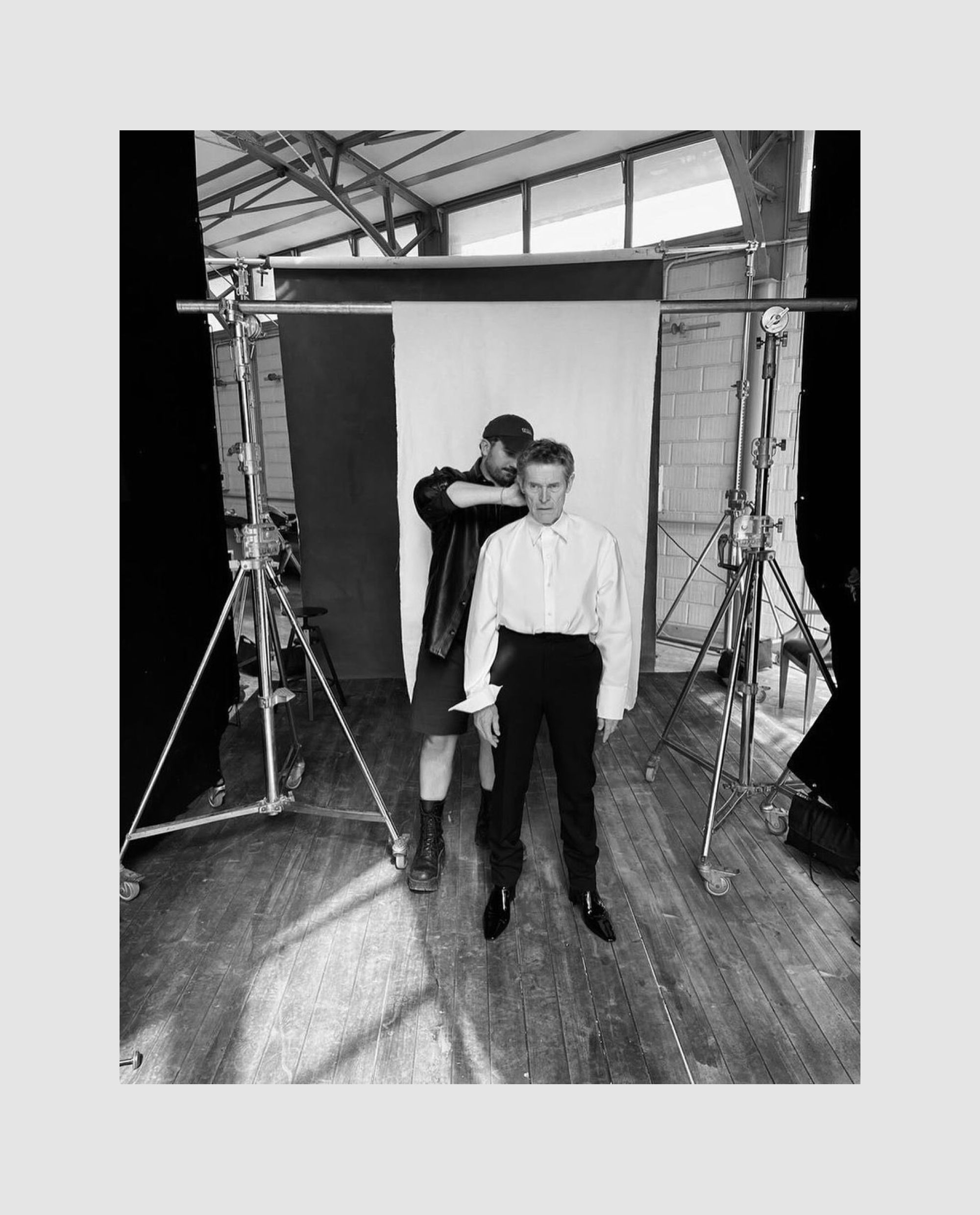
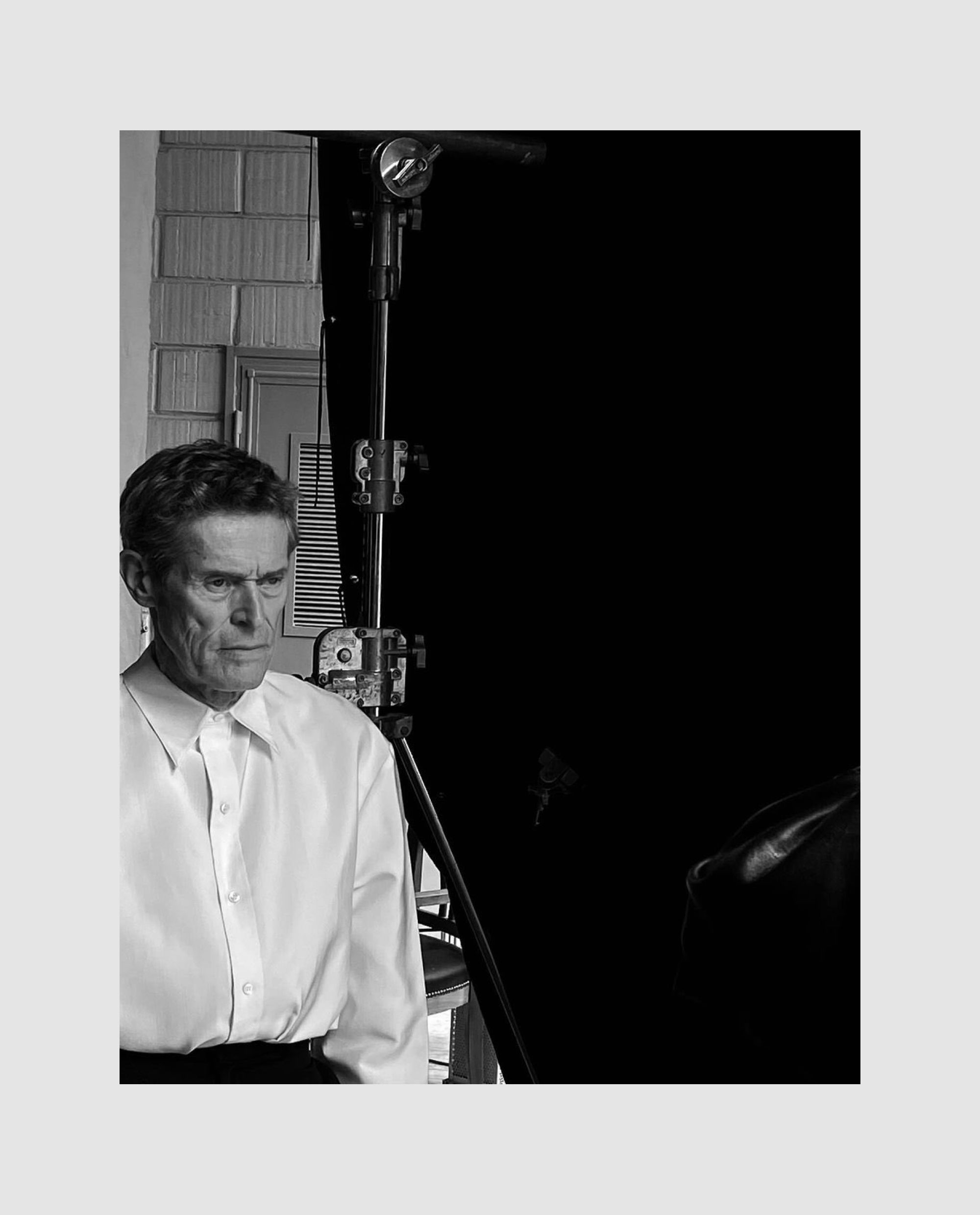
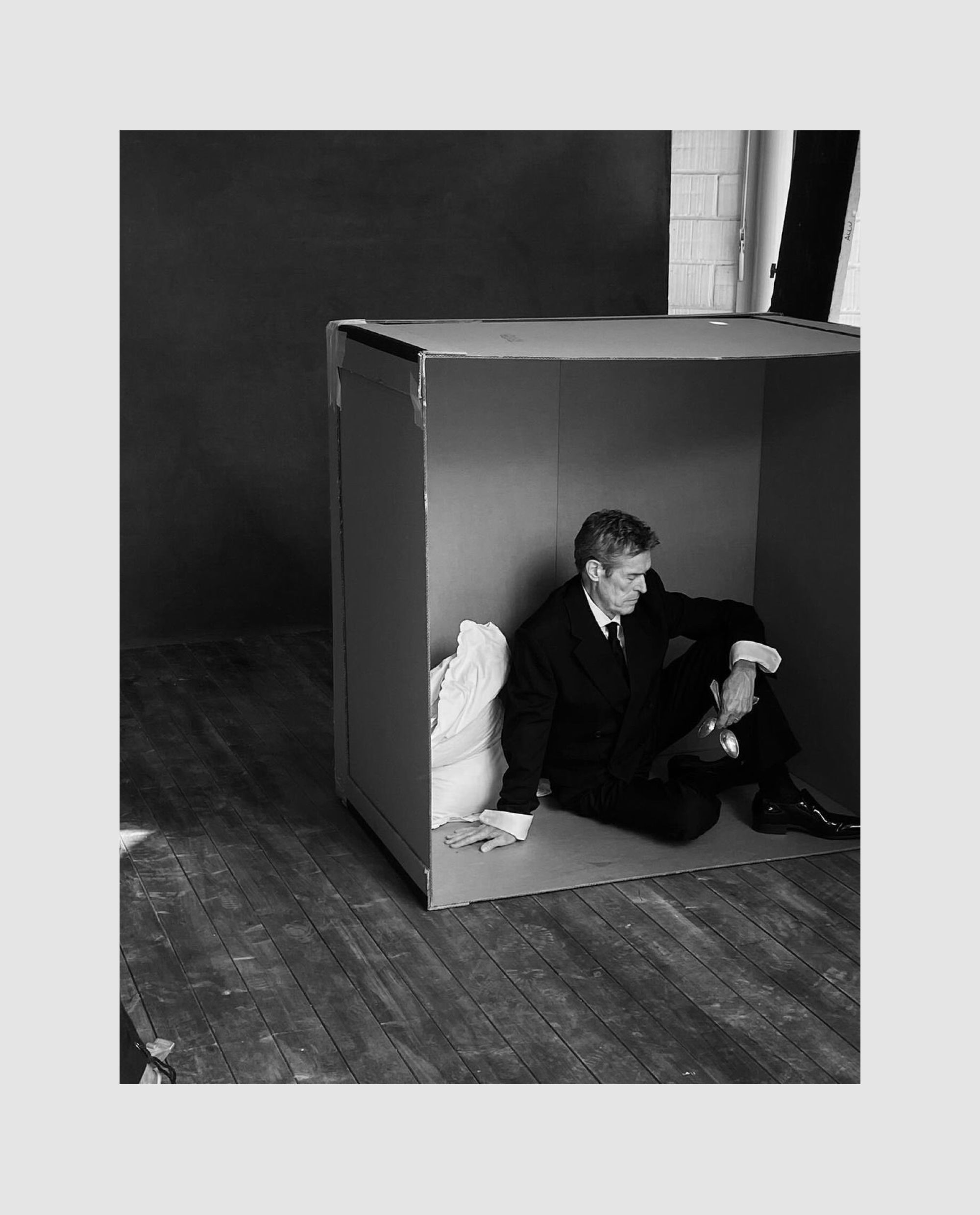
Q. 독창적인 촬영 컨셉과 수작업 세트 때문에 현장에서 모델이나 스태프들이 당황하거나 감탄하는 일도 있을 것 같은데, 기억에 남는 에피소드가 있다면 소개해줄 수 있는가.
Q. With your distinctive concepts and handmade sets, there must be moments on set when models or crew are either surprised or impressed. Is there a memorable episode you could share?
A. 윌렘 대포와의 작업에서는 어떤 정적의 순간이 있었다. 골판지로 만든 집을 머리에 쓰고, 엄마에게 혼나서 구석에 서 있는 고집 센 아이처럼 행동해 달라고 요청했을 때, 그의 주변 공기가 달라졌다. 그는 그것을 머리로 이해한 것이 아니라, 직감적으로 즉시 받아들인 듯했다. 세 컷을 찍는 동안 나는 이미 원하는 이미지를 얻었다. 혼란도, 망설임도 없었다. 오직 신뢰만이 있었다.
반면에, 촬영 현장에 도착한 모델들이 한쪽에 쌓여 있는 소품 더미 골판지 박스, 칠해진 나무, 오래된 천, 재활용 재료들를 보고 나를 미친 사람 보듯 바라보는 순간들도 있었다. 내가 농담처럼 말하곤 하듯, 서류에 도장 찍고 광기 인증 완료라는 표정이다. 하지만 촬영을 시작하면, 그들은 곧 이해하게 된다. 세트의 기묘함이 이야기의 일부가 되고, 그 낯섦이 곧 스스로도 낯설어질 수 있는 허락이 된다.
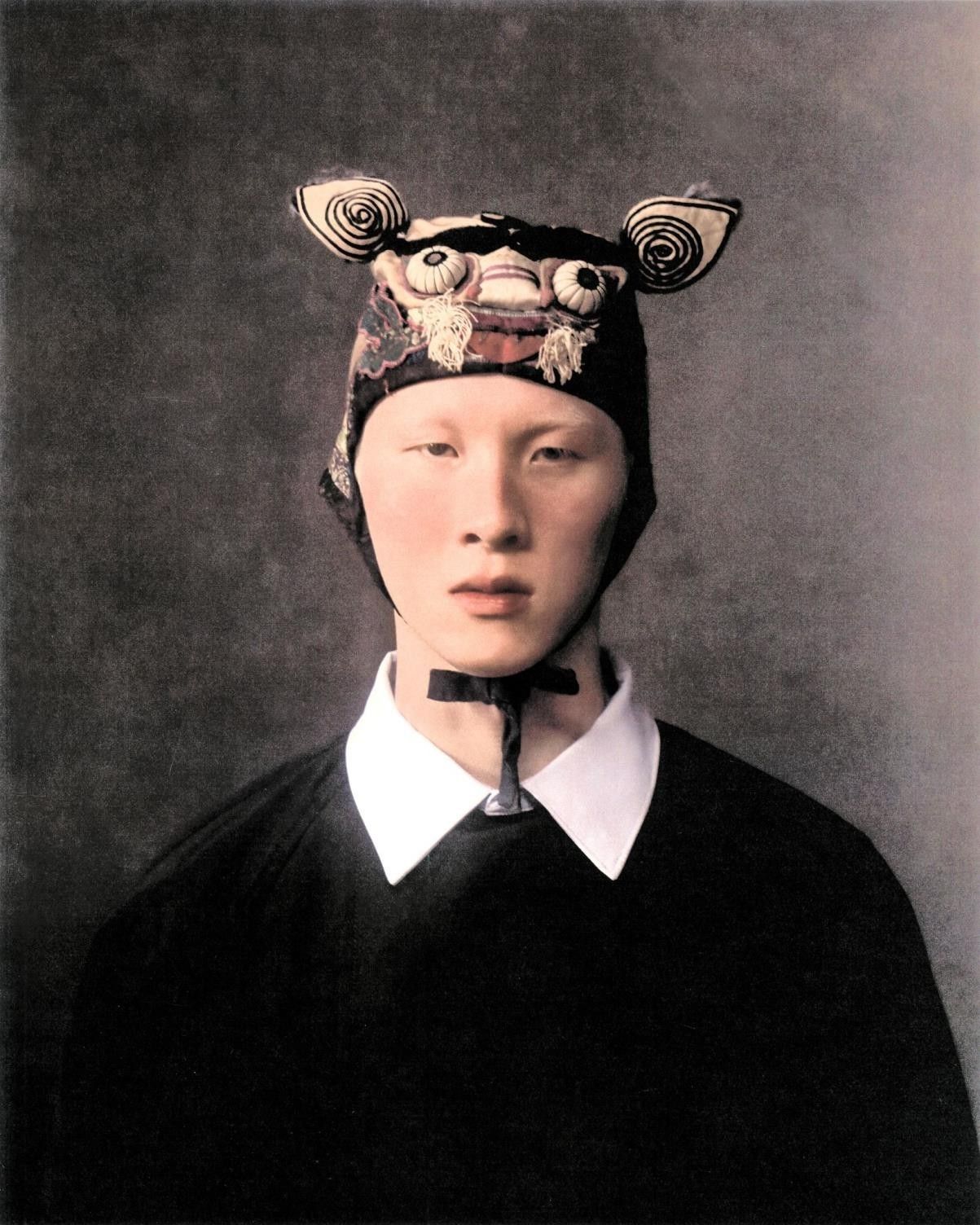
한 번은 개인 프로젝트 촬영에서 알비노 중국인 남성과 작업한 적이 있다. 나는 그의 머리에 중국 남부 지역에서 온 19세기 유물, 약 100년 된 호랑이 모자를 씌웠다. 스태프들은 계속해서 그 물건을 더 조심해야 하지 않겠느냐, 너무 깨지기 쉬운 것이 아니냐고 물었다. 나는 아니라고 답했다. 이런 물건들은 쓰이기 위해 만들어진 것이다. 박물관의 전시품처럼 다루는 순간, 그 정신은 죽어버린다. 그 모자는 그 남자의 머리 위에서, 그 사진 속에서 다시 살아났다.
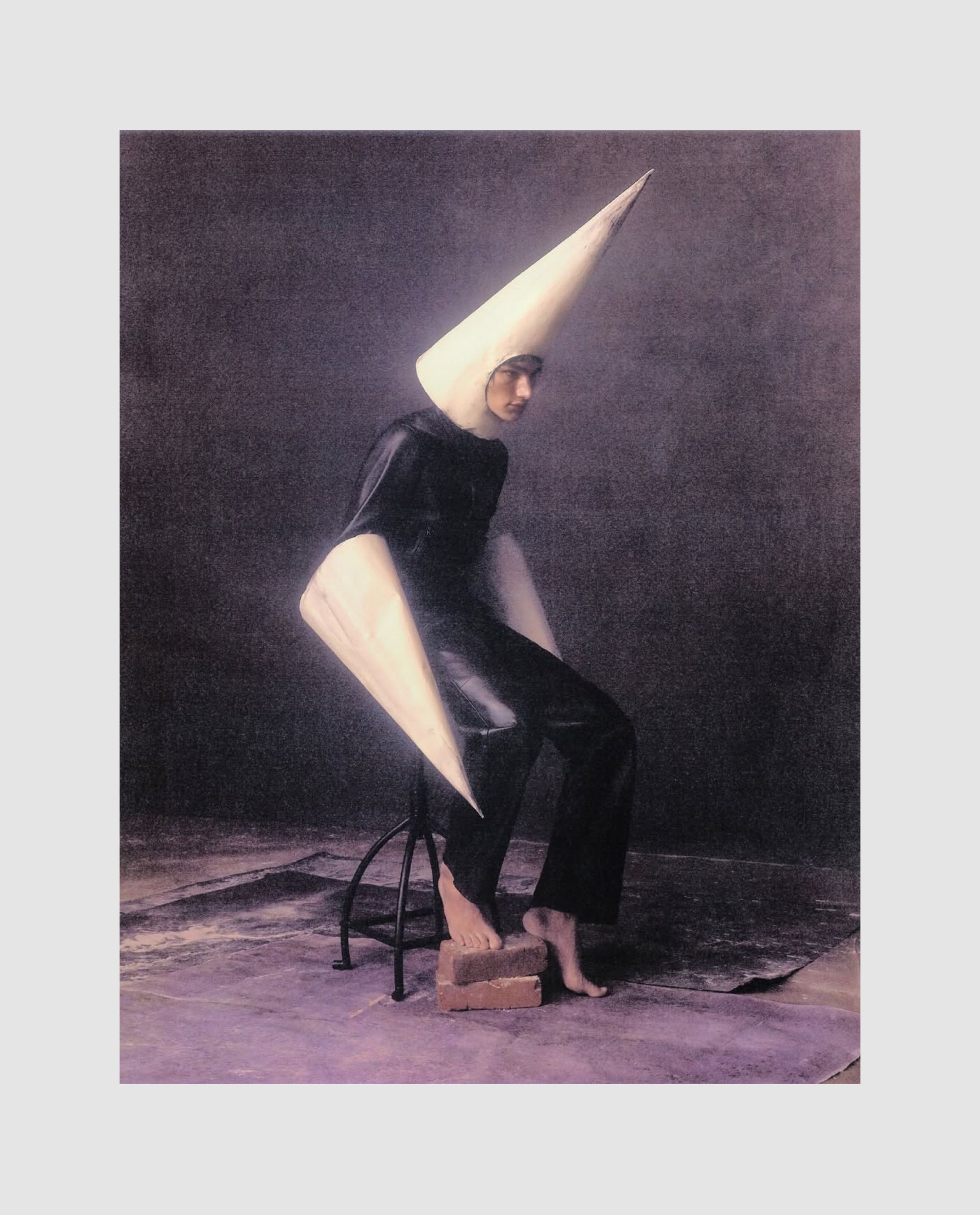
사람들이 가장 놀라는 지점은 아마 세트 자체보다도, 그 안에서 모델들에게 요구하는 움직임일 것이다. 크게 벌린 다리, 손가락의 제스처, 천을 움켜쥐고 구기는 동작들. 전통적인 포즈와는 거리가 멀다. 하지만 그 이유를 설명하고, 그 안의 논리를 이해시키면, 모델들은 전적으로 몰입한다. 바로 그 순간, 마법이 일어난다.
A. With Willem Dafoe, there was a moment of stillness. When I asked him to wear the cardboard house on his head and act like a stubborn child sent to the corner by his mother, the air around him changed. It was as if he understood immediately, not intellectually but intuitively. Three shots in and I had the image. There was no confusion, no hesitation. Just trust.
I've also had moments where models arrive on set and see the pile of props, cardboard boxes, painted wood, old fabrics, recycled materials stacked in the corner, and they look at me like I'm mad. Papers stamped and madness certified, as I like to say. But then we begin to work, and they start to understand. The strangeness of the set becomes part of the story. The oddness becomes permission to be odd themselves.
One time, during a shoot for a personal project, I was working with an albino Chinese man. On his head I placed a 100-year-old tiger hat, a 19th-century antique from the South of China. The crew kept asking me if we should be more careful with it, if it was too fragile to use. I told them, no. These objects were made to be worn, to be used. If we treat them like museum pieces, we kill their spirit. That hat, on that man's head, in that photograph, it was alive again.
I think what surprises people most is not the sets themselves but the way I ask models to move within them. The wide-open legs, the finger gestures, the grabbing and scrunching of fabric. These are not conventional poses. But once I explain the reasoning, once they understand the logic behind it, they commit fully. That's when the magic happens.
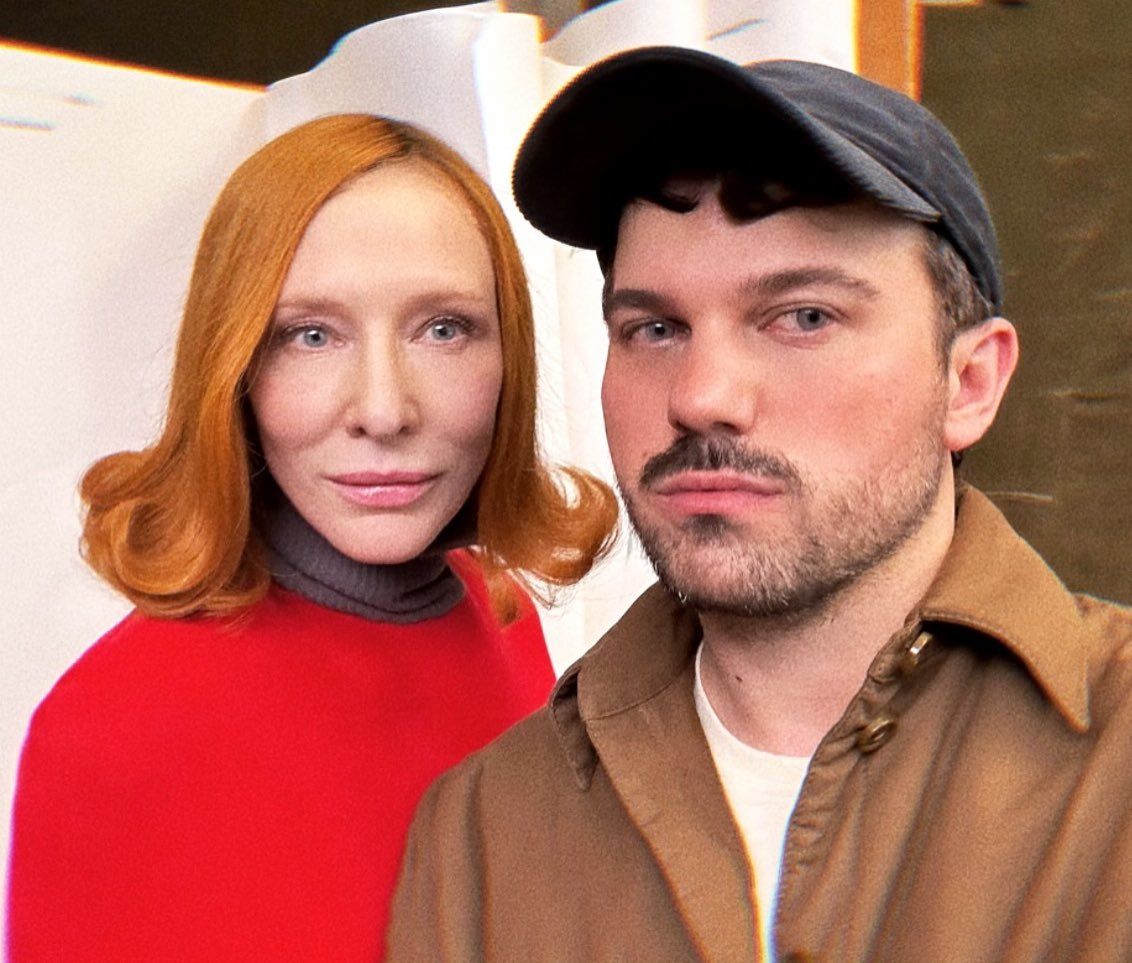
Q. 사진을 찍다 보면 피사체, 조명, 공간 등 수많은 조건들이 겹쳐지는 순간이 찾아온다. 그 과정에서 ‘멈추는 것’ 또한 하나의 능력이라고 생각한다. 다시 돌아오기 어려운 상황 속에서, 당신은 작업의 끝을 어떻게 판단하고 결정하는지 궁금하다.
Q. In photography, countless variables subjects, light, space converge at once. Knowing when to stop can be a skill in itself. In moments that are difficult to return to, how do you decide when a work is finished?
A. 나는 그 순간을 느끼면 안다. 모든 것이 맞아떨어지는 순간이 온다. 완벽해서가 아니라, 공명하듯 조화를 이룰 때다. 빛이 맞고, 포즈가 맞고, 표정이 맞는다. 하지만 무엇보다 중요한 건 감정이 맞는다는 것이다. 그건 몸이 먼저 안다. 질서와 정밀함을 요구하는 나의 감각이 어떤 평온함을 감지하는 순간, 나는 멈춘다.
이것은 나의 자폐성과도 깊이 연결되어 있다. 나에게는 ‘맞다’는 것만으로는 충분하지 않다. 하이힐의 스트랩 하나, 코트의 주름 하나까지, 모든 디테일이 내 안의 기준을 충족해야 한다. 마음에 들지 않으면, 그 이미지는 나에게서 이미 죽은 것이다. 그래서 어느 순간, 거슬리는 것이 하나도 없고 모든 요소가 균형을 이루는 지점에 도달하면, 나는 그 이미지가 완성되었다는 것을 안다.
하지만 여기에는 직관도 작용한다. 세 컷 만에 끝나는 경우도 있고, 몇 시간을 찍어도 아무것도 만족스럽지 않을 때도 있다. 그런 날에는 억지로 밀어붙이지 않는다. 그 이미지는 오늘 태어날 준비가 되지 않았다는 것을 받아들이고, 방향을 바꾼다. 다른 시도를 한다.
가장 위험한 것은 과도하게 촬영하는 것이다. 이미 정렬의 순간을 지나쳐 계속 찍다 보면, 에너지가 희석된다. 스스로를 의심하기 시작하고, 아무것도 더하지 못하는 변주들을 쫓게 된다. 나는 첫 번째 확신의 순간을 믿는 법을 배웠다. 그 감각이 오면, 나는 다음으로 넘어간다.
A. I know when I feel it. There's a moment when everything aligns, not perfectly, but in a way that resonates. The light is right, the pose is right, the expression is right, and more importantly, the feeling is right. My body tells me. My senses, which demand order and precision, they register a kind of peace. That's when I stop.
Tied in with my autism, I need things to be more than correct. Each detail, down to a strap on a heel or a fold in a coat, it has to meet my internal standard. If I don't like something, it's dead to me, it's gone. So when I reach that threshold where nothing offends me, where every element sits in balance, I know the image is complete.
But there's also intuition involved. Sometimes I take three shots and I have it. Other times I'll shoot for hours and nothing satisfies me. In those cases, I don't force it. I accept that the image doesn't want to be born that day, and we change direction. We try something else.
The danger is over-shooting. If you keep going beyond the moment of alignment, you dilute the energy. You start second-guessing yourself, chasing variations that don't add anything. I've learned to trust the first moment of certainty. Once I feel it, I move on.
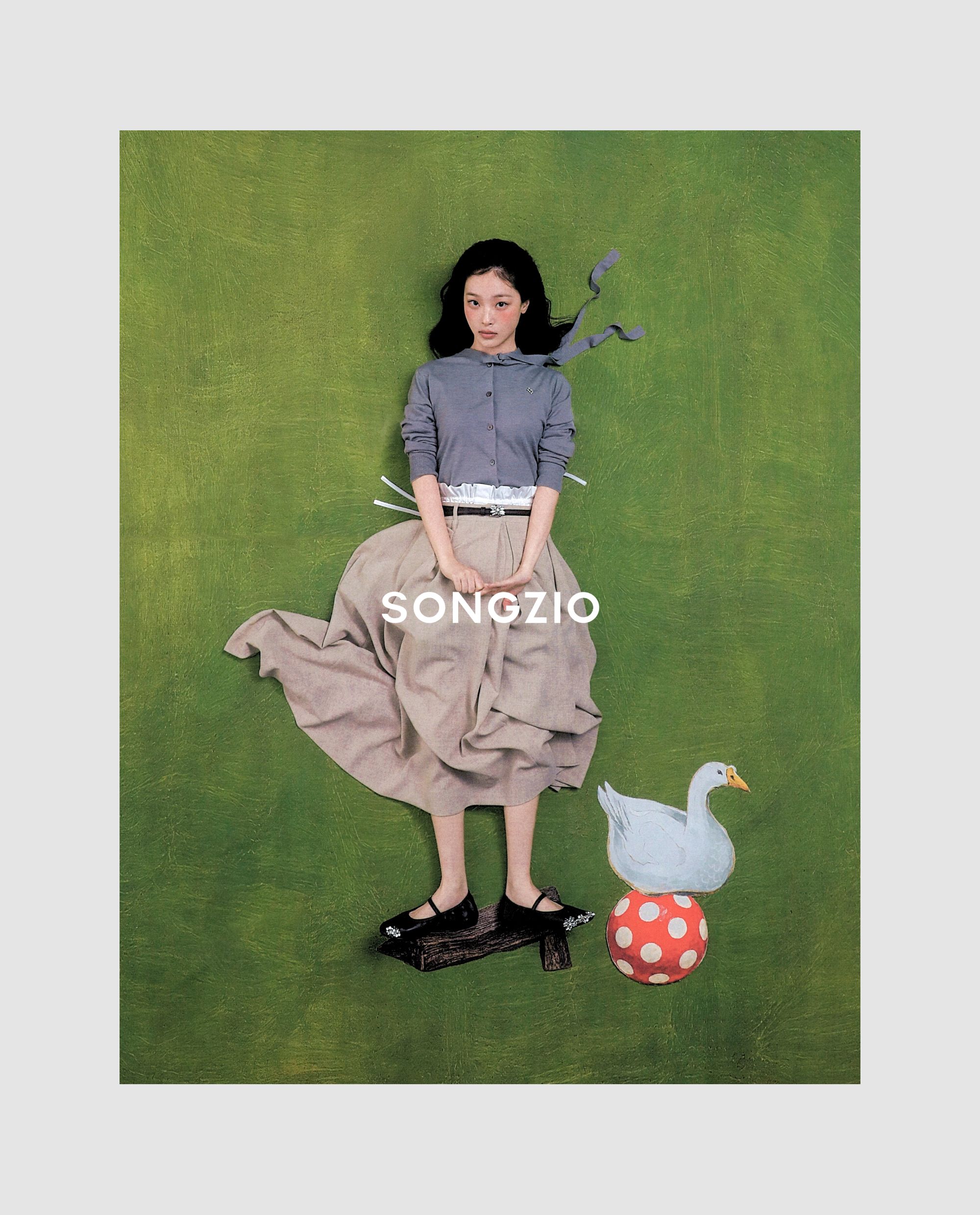
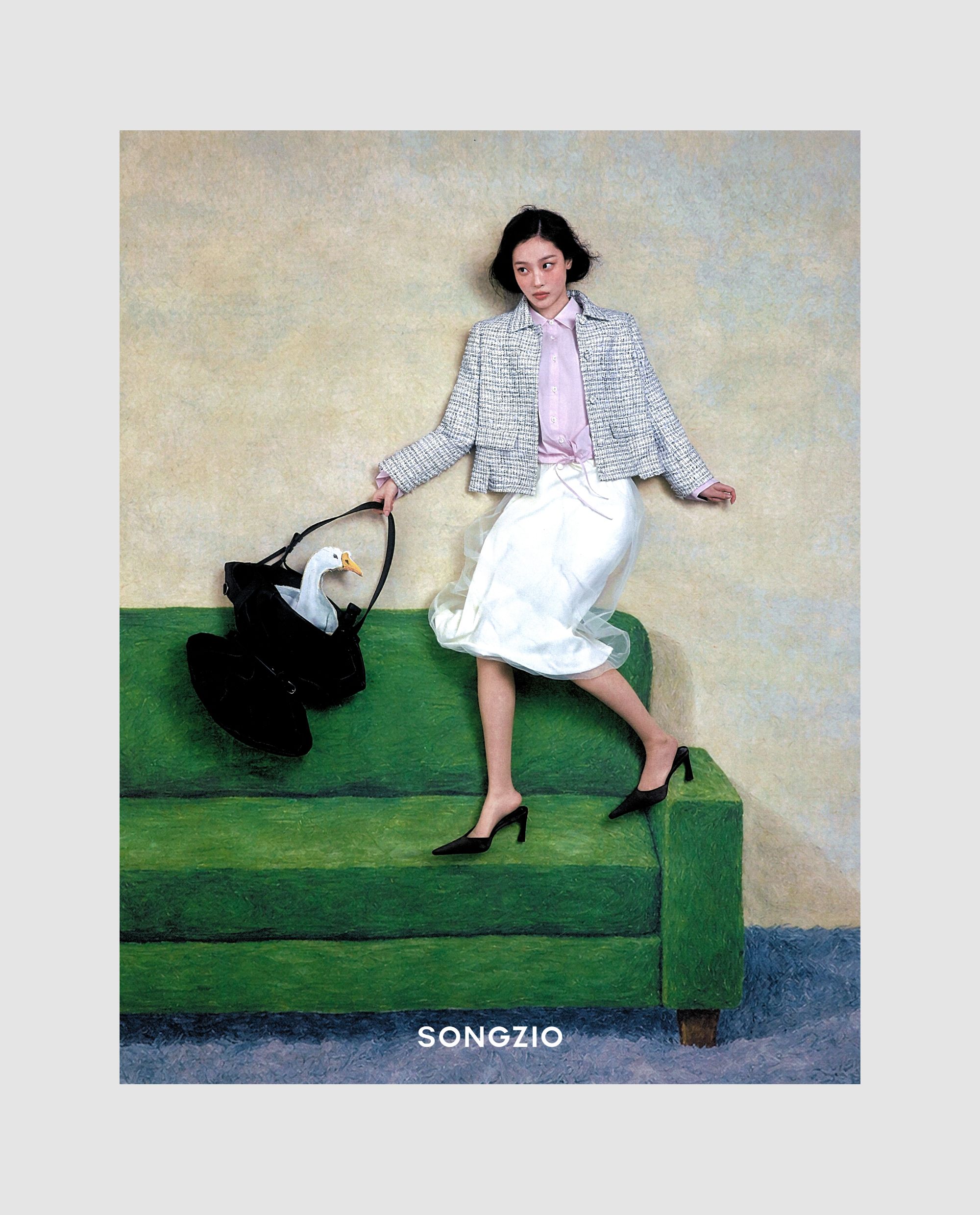
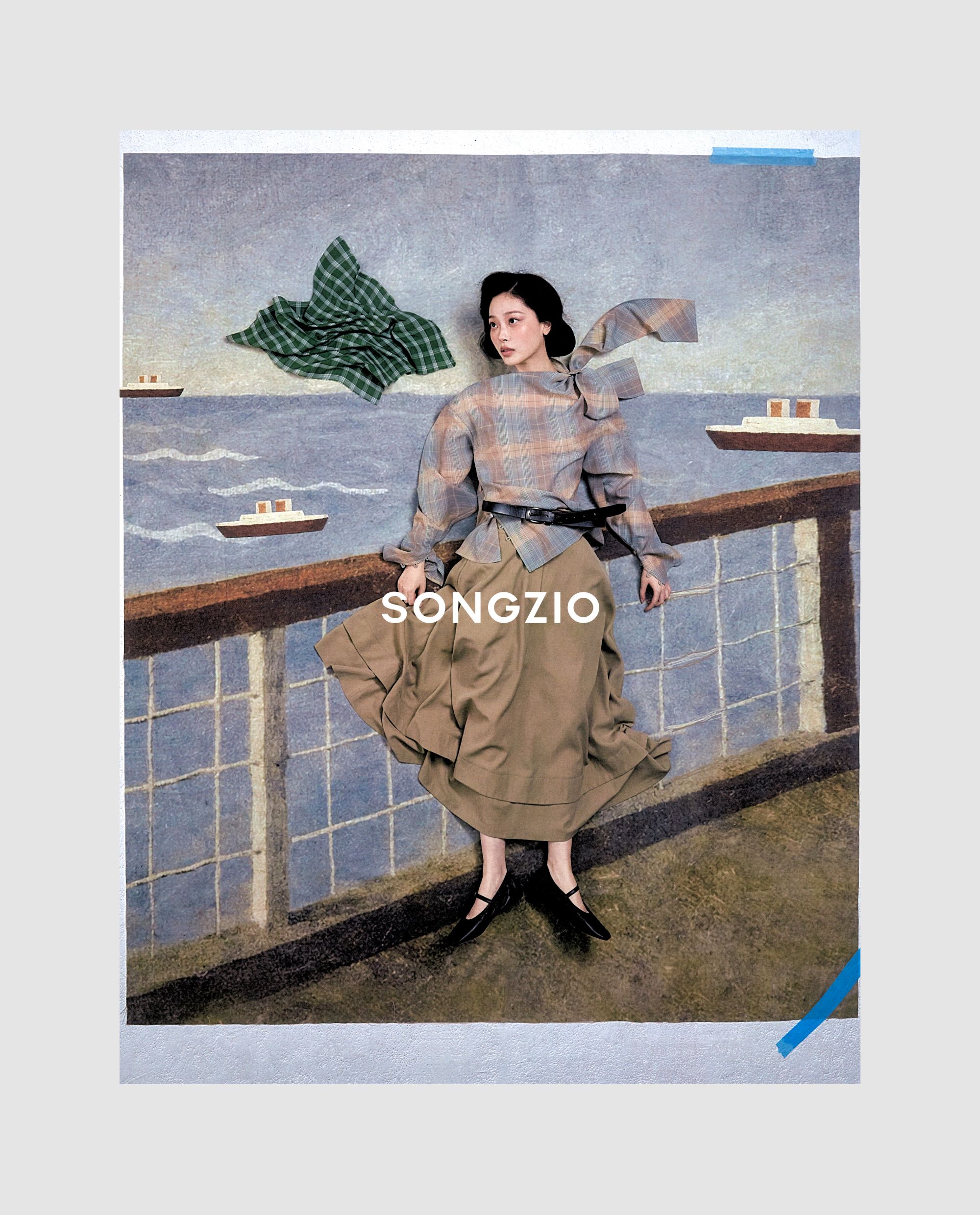
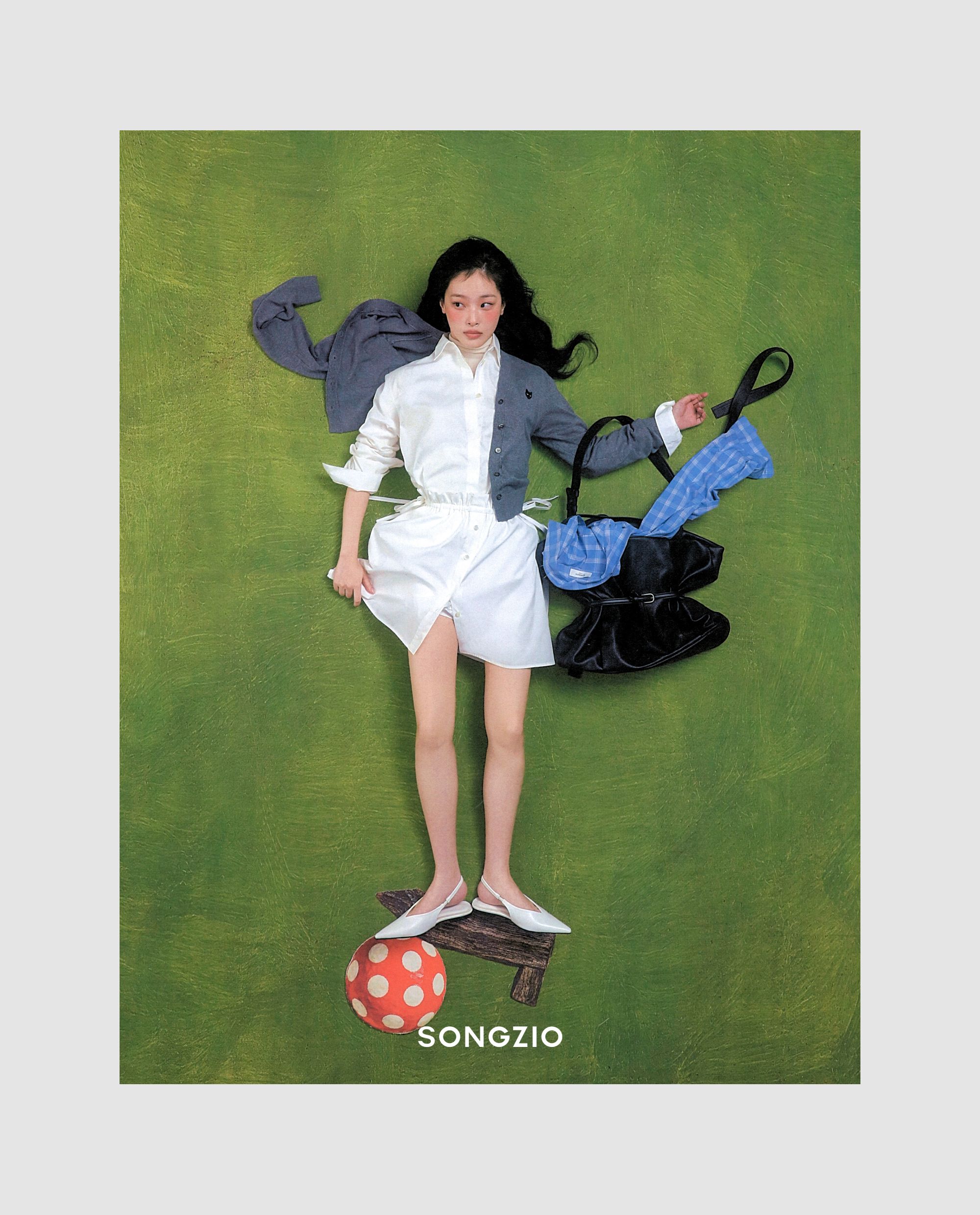
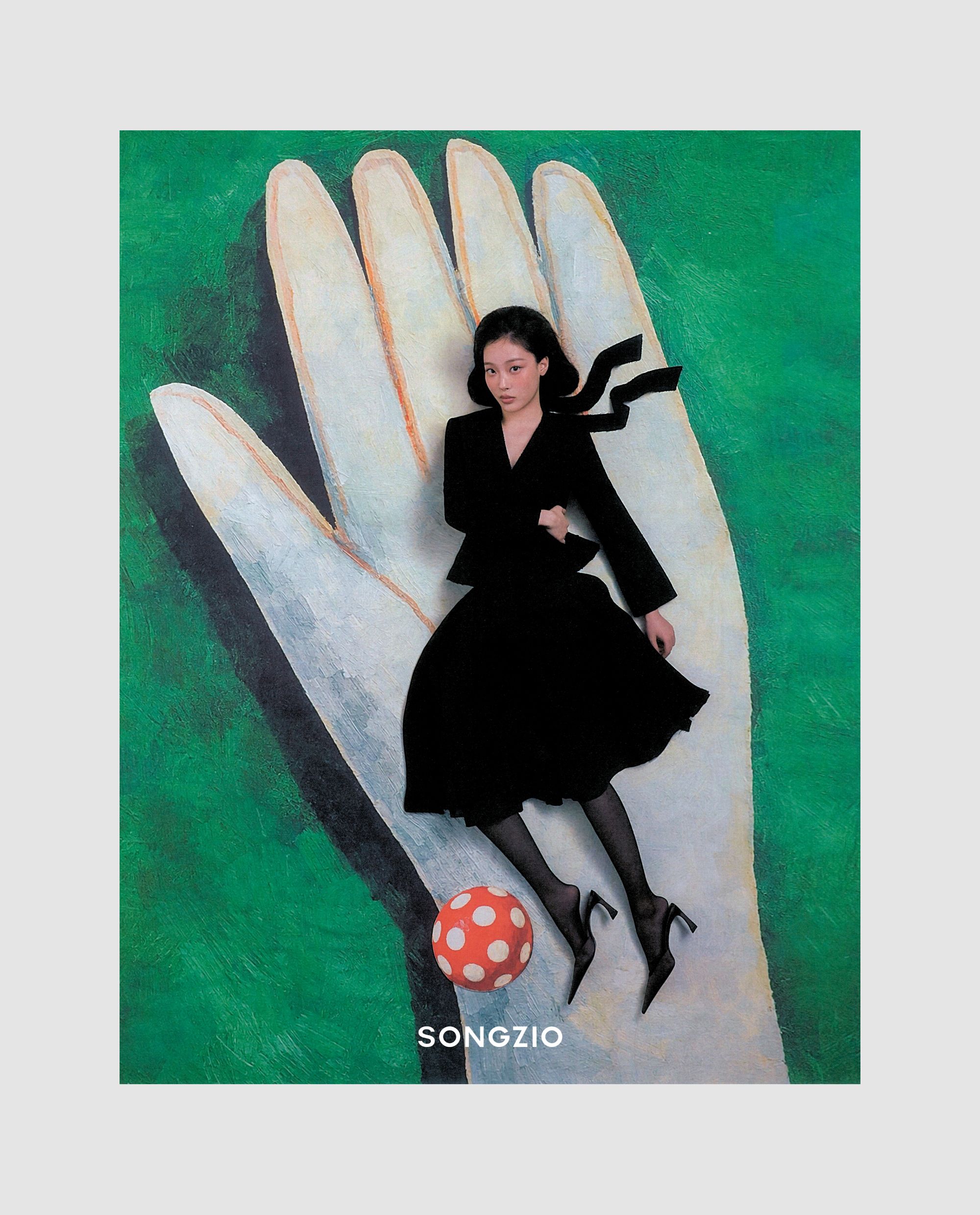
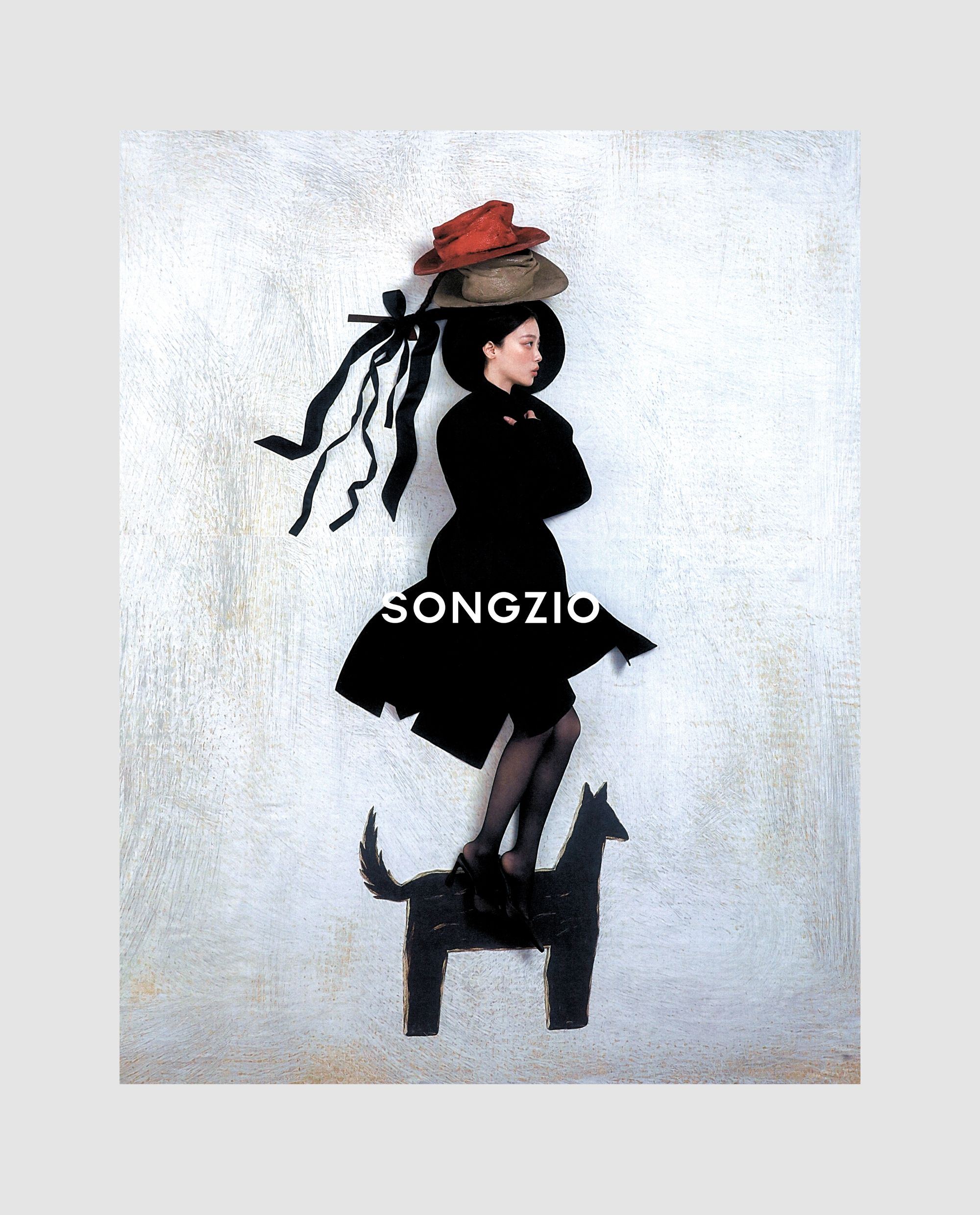
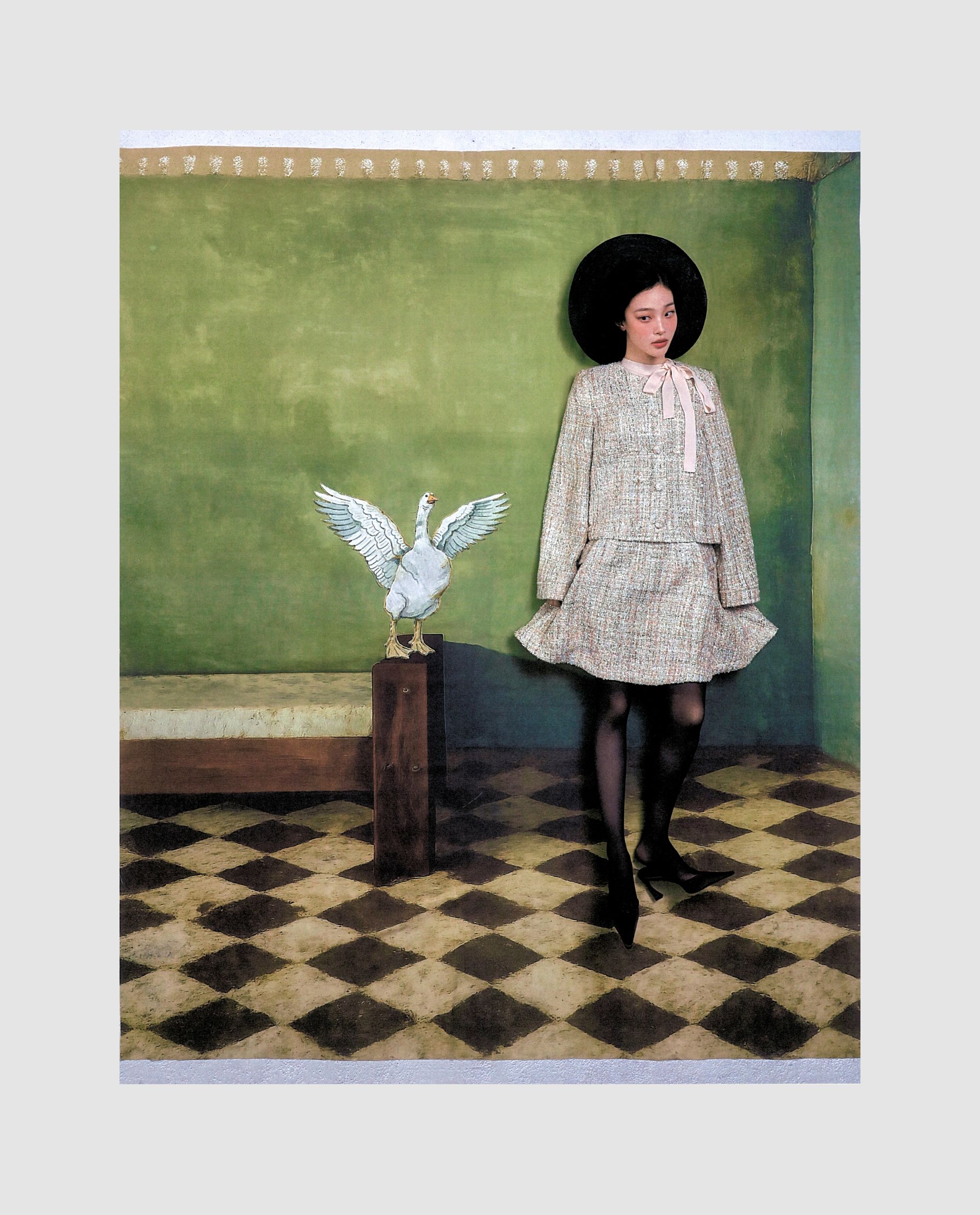
Q. 최근 한국을 방문해 송지오 캠페인 촬영을 진행했다. 이번 작업 과정에서 특히 기억에 남는 순간이나, 의식적으로 신경 썼던 부분이 있다면. 또한 낯선 도시와 문화 속에서 작업할 때, 사진가로서 가장 먼저 감각하게 되는 것은 무엇인지 궁금하다.
Q. You recently visited Korea to shoot a campaign for Songzio. Were there any particularly memorable moments during the process, or elements you were especially mindful of? And when working in an unfamiliar city or culture, what is the first sensation you perceive as a photographer?
A. 한국은 정말 인상적이었다. 서울에는 내가 이전에 경험하지 못했던 리듬과 밀도, 그리고 수직성이 있다. 어디를 보든 공사 현장과 네온, 끊임없는 움직임이 보인다. 이 도시는 늘 스스로를 짓고 있고, 결코 안주하지 않는다. 그 에너지는 압도적이면서도 동시에 큰 자극이 되었다.
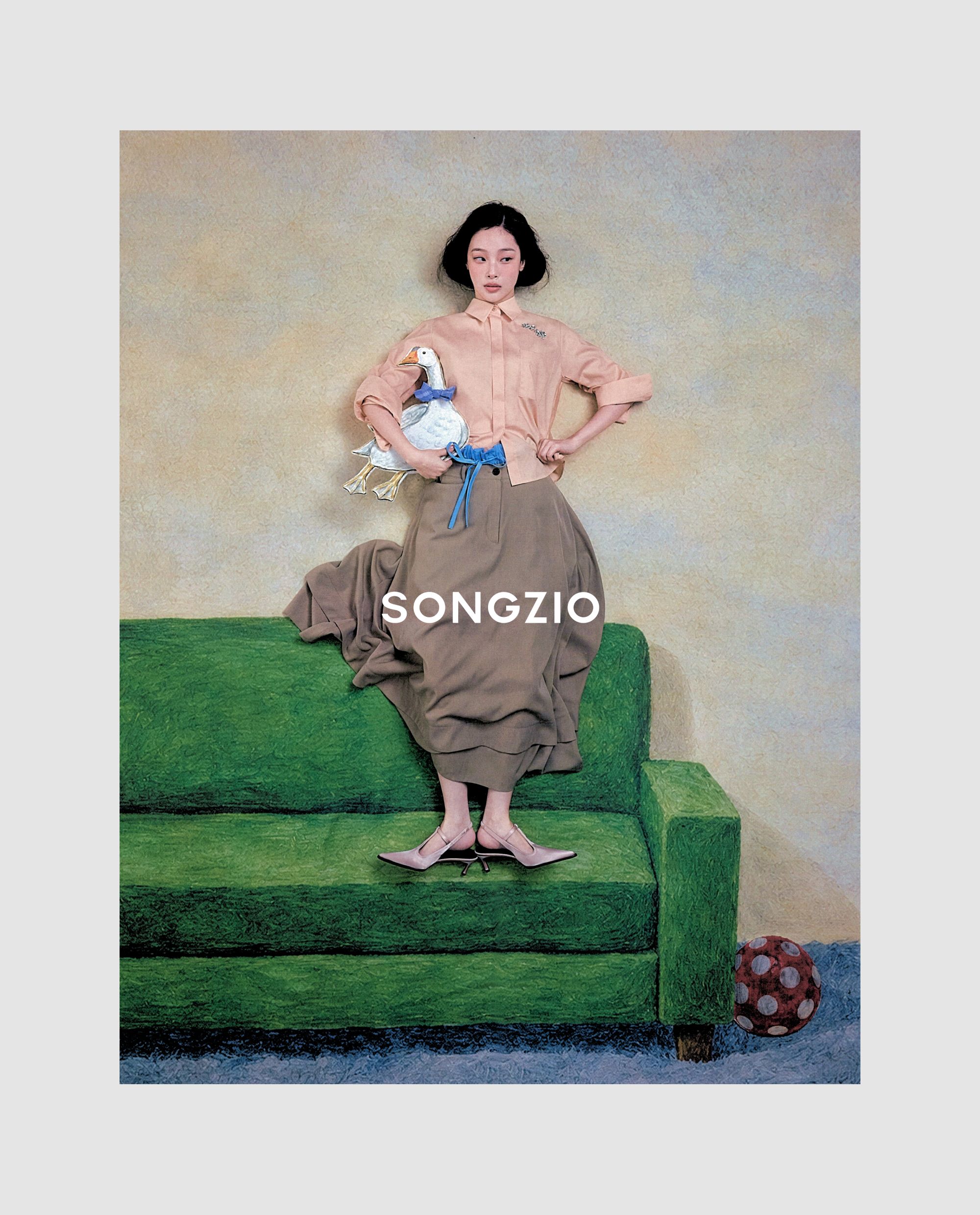
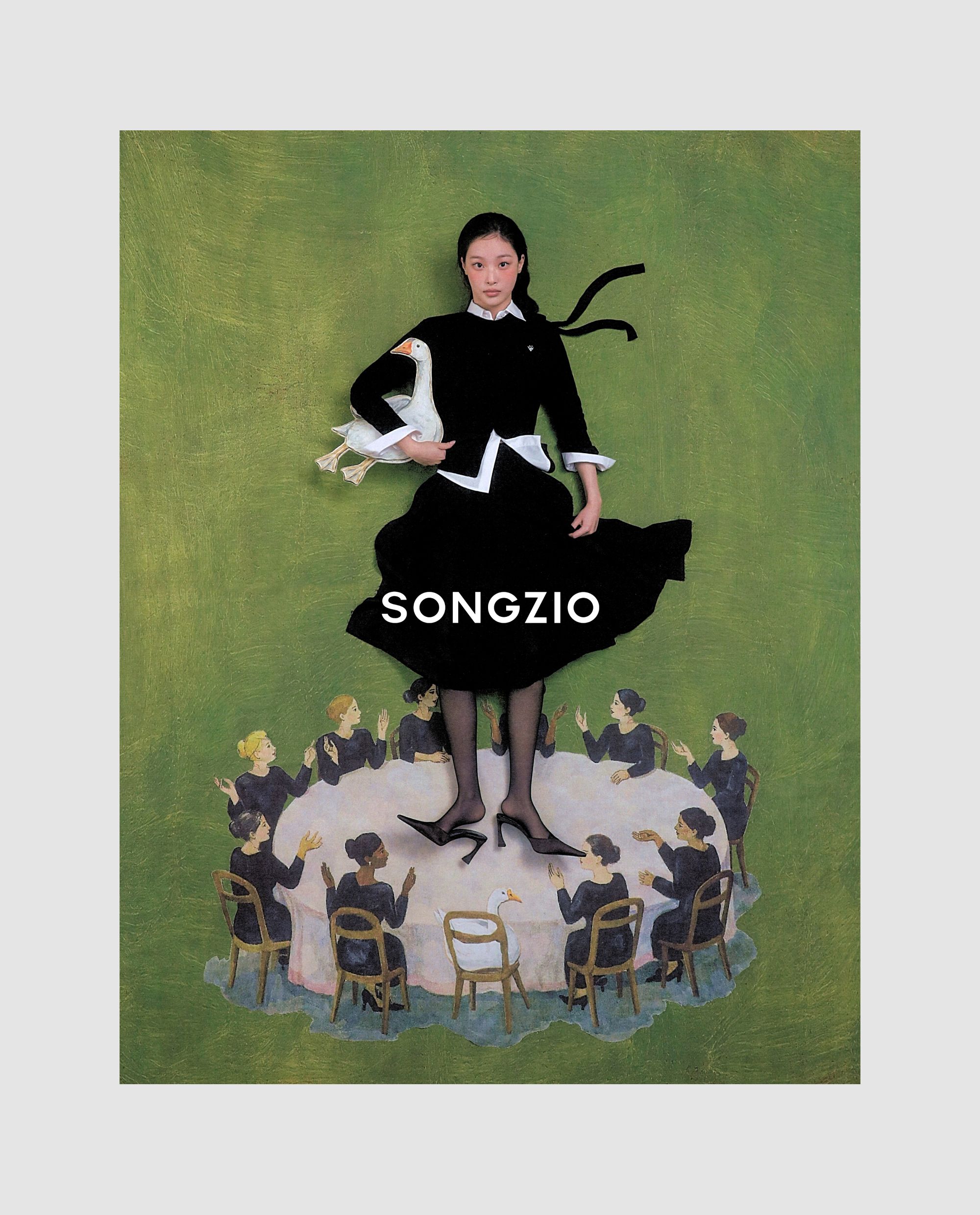
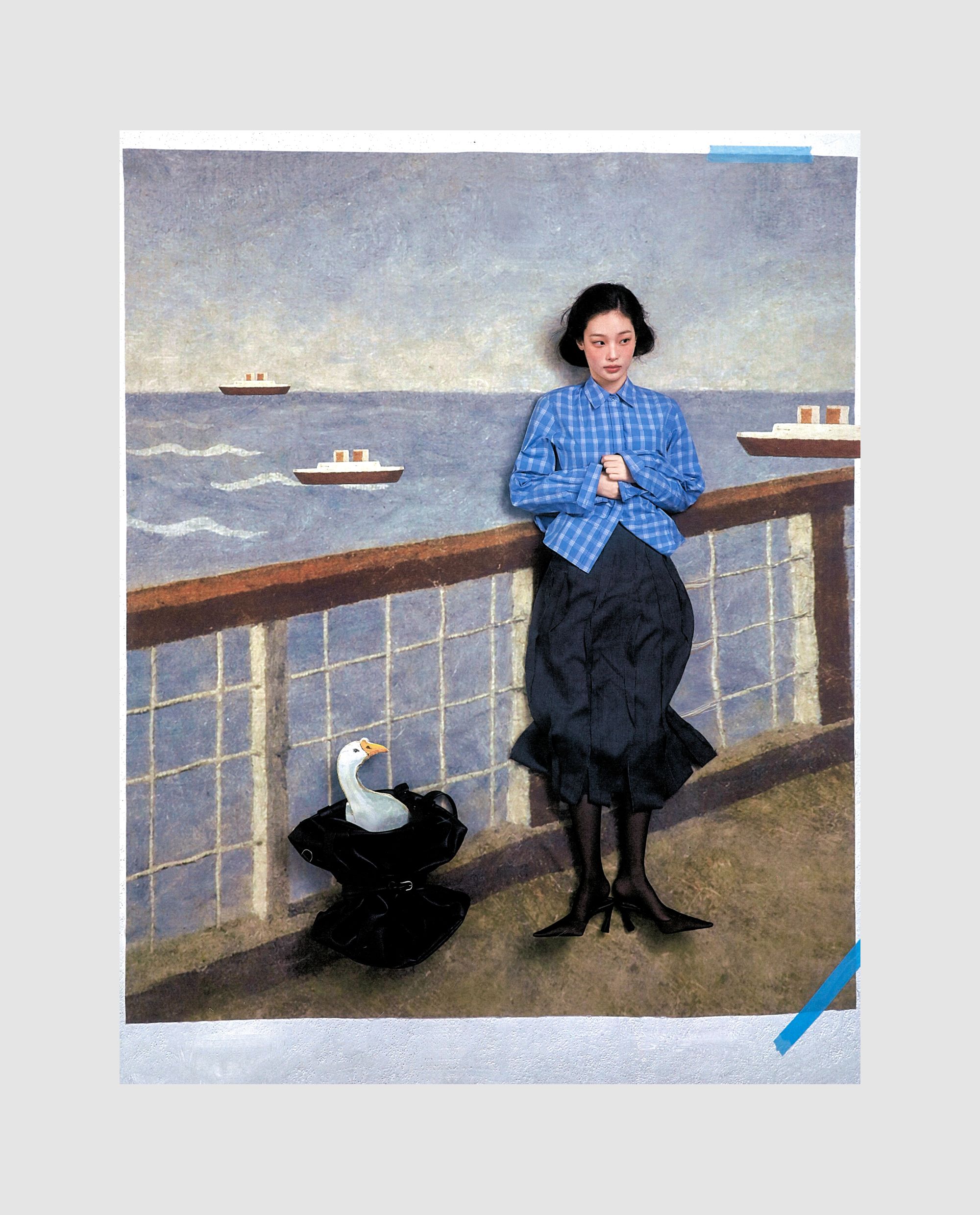
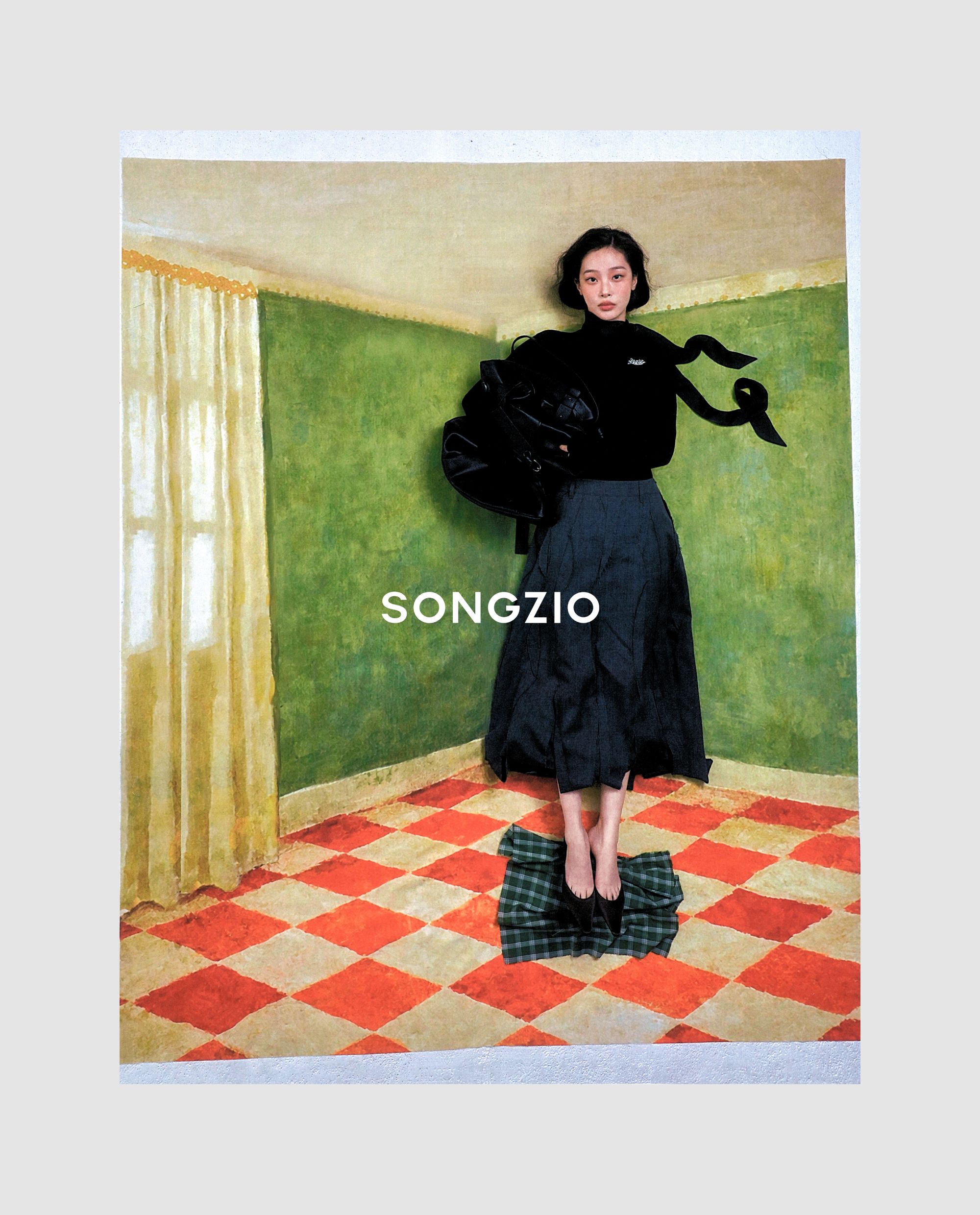
송지오 캠페인을 작업하면서 나는 브랜드의 유산을 존중하는 동시에 나만의 시선을 가져오는 것에 대해 많이 의식했다. 송지오는 구조적이고 건축적인, 한국 테일러링 전통에 뿌리를 둔 매우 분명한 정체성을 지닌 브랜드다. 내 미학을 앞세워 그들의 정체성을 지워버리고 싶지는 않았다. 그래서 우리는 중간 지점을 찾았다. 나는 나의 박스, 구성된 프레임, 자연광과 질감의 사용을 가져오되, 의상 자체가 스스로 말할 수 있도록 두었다. 옷은 충분히 강했고, 과도한 개입이 필요하지 않았다.
무엇보다 기억에 남는 것은 팀이었다. 한국의 스태프들은 놀라울 만큼 정확하고 빠르게 움직인다. 현장에서의 동선과 태도에는 규율이 있고, 과정에 대한 존중이 있다. 그것은 내가 조부모 세대에게서 보아왔던 모습과 닮아 있었다. 동유럽의 노동 윤리와 서울에서 느낀 태도는 크게 다르지 않았다. 질서, 효율, 불필요한 움직임이 없는 방식.
낯선 도시에서 작업할 때 내가 가장 먼저 감지하는 것은 빛이다. 장소마다 고유한 빛이 있고, 건물 안으로 스며드는 방식, 표면에 반사되는 결, 하루 동안 변화하는 흐름이 모두 다르다. 서울의 빛은 더 날카롭고 각이 진 느낌이었다. 유리와 금속이 많아서였을지도 모른다. 그래서 내가 원하는 이미지의 온기를 유지하기 위해, 접근 방식을 조금 더 부드럽게 조정해야 했다.
또 하나 내가 주목하는 것은 재료다. 이곳 사람들은 무엇으로 건물을 짓고, 어떤 질감을 일상적으로 접하는가. 서울에서는 콘크리트와 철이 많았지만, 동시에 나무와 종이, 돌 같은 전통적인 요소들도 눈에 띄었다. 나는 그것들을 노골적으로 드러내기보다는, 장소의 잔향처럼 은근하게 세트 디자인 안에 녹여내고자 했다.
A. Korea was fascinating. Seoul has a rhythm, a density, a verticality that I hadn't encountered before. Everywhere you look there's construction, neon, movement. It's a city constantly building itself, never settling. That energy, I found it both overwhelming and inspiring.
For the Songzio campaign, I was conscious of respecting the brand's heritage while bringing my own vision. Songzio has a very distinct identity, structured, architectural, rooted in Korean tailoring traditions. I didn't want to impose my aesthetic in a way that erased theirs. So we found a middle ground, I brought my boxes, my composed frames, my use of natural light and texture, but I let the clothing speak on its own terms. The garments were strong enough that they didn't need excessive intervention.
What I remember most is the team. Korean crews work with incredible precision and speed. There's a discipline to the way they move on set, a respect for process, that reminded me of my grandparents' generation. That Eastern European work ethic, it's not so different from what I saw in Seoul. Order, efficiency, no wasted motion.
When I work in an unfamiliar city, the first thing I sense is light. Every place has its own quality of light, the way it enters buildings, reflects off surfaces, shifts throughout the day. In Seoul, the light felt sharper, more angular, maybe because of all the glass and metal. I had to adjust my approach slightly, soften it, to maintain the warmth I want in my images.
I also pay attention to materials. What do people build with here? What textures are common? In Seoul I noticed a lot of concrete, steel, but also traditional elements, wood, paper, stone. I tried to incorporate some of that into the set design, not in an obvious way, but as subtle echoes of the place.
Q. 트렌드가 빠르게 소비되는 한국 시장에서, 당신처럼 ‘느리고 구조적인 미학’을 지향하는 창작자가 전할 수 있는 가장 큰 울림은 무엇이라고 생각하시나요?
Q. In a market like Korea, where trends are consumed at great speed, what do you believe is the strongest resonance that a creator pursuing a slower, more structural aesthetic can offer?
A. 영속성. 혹은 적어도 그에 대한 환상이다.
모든 것이 빠르게 움직이고, 이미지가 몇 초 만에 소비되고 버려지는 시대에, 느린 것은 오히려 급진적이다. 멈춰 서서 더 오래 바라보게 하고, 즉각적인 표면 너머의 감정을 느끼게 하는 이미지는 흐름에 저항한다. 그리고 사람들은, 아직 스스로 인식하지 못하더라도, 그런 저항을 갈망하고 있다고 생각한다.
내 작업은 즉각적인 소비를 위해 만들어지지 않았다. 한 번에 모든 것을 내어주지 않는다. 레퍼런스는 겹겹이 쌓여 있고, 구성은 밀도가 높으며, 분위기는 사유적이다. 시간을 들여 함께 머물러야 한다. 속도와 새로움을 숭배하는 문화 속에서, 그런 느림은 오히려 하나의 위안처럼 다가올 수 있다.
나는 이 지점이 한국의 전통과도 깊이 맞닿아 있다고 생각한다. 한국에는 재료에 시간을 들이고, 구조와 규율을 중시하는 장인 정신의 역사가 있다. 나의 접근 방식은 동유럽적 배경에서 출발했지만, 그 철학의 일부는 분명 닮아 있다. 노동과 과정, 그리고 시간을 품은 사물에 대한 존중은 서구적인 가치가 아니라, 어려운 시기를 지나온 문화들 사이에서 보편적으로 발견되는 태도다.
그래서 어쩌면 내가 제안하는 것은 하나의 ‘상기’일지도 모른다. 모든 것이 빠를 필요는 없다는 것, 모든 것이 새로울 필요는 없다는 것. 느림 속에, 반복 속에, 같은 생각을 끊임없이 다듬어 결국 시대를 초월한 무언가로 만들어 가는 과정 속에, 분명한 아름다움이 존재한다는 사실을 말이다.
A. Permanence. Or at least the illusion of it.
When everything moves quickly, when images are consumed and discarded in seconds, something slow becomes radical. An image that asks you to stop, to look longer, to feel something beyond the immediate surface, it resists the current. And I think people are hungry for that resistance, even if they don't know it yet.
My work is not designed for instant consumption. It doesn't give you everything at once. The references are layered, the compositions are dense, the mood is contemplative. You have to sit with it. And in a culture that values speed and newness, that slowness can feel like a relief.
I also think there's a deeper connection here to Korean traditions. Korea has a rich history of craftsmanship, of taking time with materials, of valuing structure and discipline. My approach, though rooted in Eastern European influences, shares some of that philosophy. The respect for labor, for process, for objects that carry history, these are not Western values, they're universal among cultures that have lived through hardship.
So maybe what I offer is a reminder. That not everything needs to be fast. That not everything needs to be new. That there's beauty in slowness, in repetition, in refining the same idea over and over until it becomes something timeless.
Q. 사진을 넘어 영상과 아트 디렉팅으로 영역을 넓히고 계신데, 요즘 가장 강하게 끌리고 있는 새로운 실험이나 형식이 있다면 무엇인가요?
Q. Your practice has expanded beyond photography into film and art direction. What kind of new experiments or formats are currently occupying your thoughts?
A. 나는 점점 더 이차원에 끌리고 있다. 최근 작업에서는 박스를 평면화하고, 원근을 붕괴시키며, 현실과 회화의 경계를 가지고 놀고 있다. 바닥 위에 박스를 직접 그려 넣어, 특정한 각도에서만 깊이가 존재하는 착시를 만든다. 일종의 트롱프뢰유이지만, 더 거칠고, 더 수공적인 방식이다.
또 하나는 움직임에 대한 고민이다. 사진은 하나의 순간을 포착하지만, 나는 그 순간을 확장하는 데에 관심이 있다. 프레임 이전과 이후의 제스처를 함께 보여주는 것. 전통적인 의미의 영상이라기보다는, 더 파편적이고 조각적인 접근이다. 이미지 속에 또 다른 이미지들을 겹겹이 쌓아, 하나의 구성 안에서 시간이 흐르고 있다는 감각을 만들고 싶다.
설치 작업 또한 탐구 중인 방향이다. 관객이 내 사진의 세계 안으로 직접 들어올 수 있는 물리적 공간을 만들고 싶다. 꼭 인터랙티브할 필요는 없지만, 몰입적인 환경을 지향한다. 빛과 질감, 소품까지, 촬영 세트와 동일한 방식으로 구성된 방들. 다만 카메라만 없는 상태다. 이미지는 삼차원으로 존재하고, 관객은 그 공간 안에서 사진가가 된다.
민속과 수공 직물에 대한 집착 역시 계속되고 있다. 특히 동유럽과 중국에서 온 오래된 직물들을 수집하고 있고, 그것들을 작업 안에 더 직접적으로 끌어들이는 방식을 고민하고 있다. 단순한 의상이 아니라, 조형물로서, 배경으로서, 혹은 작업의 중심 주제로서 말이다.
A. I'm increasingly drawn to the two-dimensional. My recent work has been flattening the box, collapsing perspective, playing with the boundary between what's real and what's painted. I've been painting boxes directly onto the floor, creating an illusion of depth that only exists from one angle. It's a kind of trompe-l'œil, but rougher, more handmade.
I'm also thinking about movement. Photography captures a single moment, but I'm curious about extending that moment, showing the gesture before and after the frame. Not film in the traditional sense, but something more fragmented, more sculptural. Multiple images layered within images, creating a sense of time passing within a single composition.
Installation is another direction I'm exploring. I want to build physical spaces where the viewer can step inside the world of my photographs. Not interactive, necessarily, but immersive. Rooms where the light, the textures, the props, everything is constructed the way it would be on set, but without the camera. The image exists in three dimensions, and the viewer becomes the photographer.
I'm also continuing my obsession with folklore and handmade textiles. I've been collecting antique fabrics, particularly from Eastern Europe and China, and I'm thinking about how to incorporate them more directly into the work. Not just as costumes but as sculptural elements, as backdrops, as the primary subject.
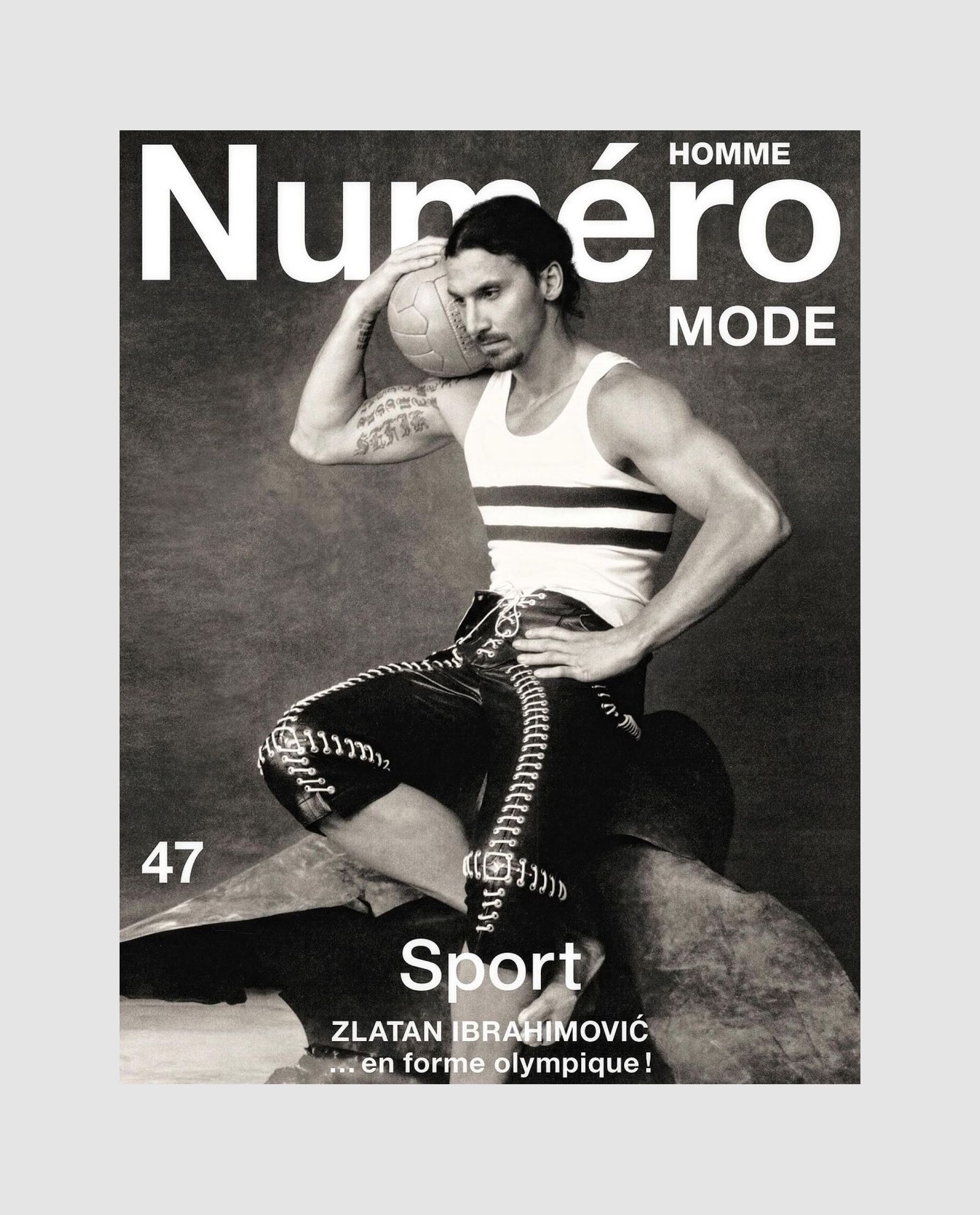
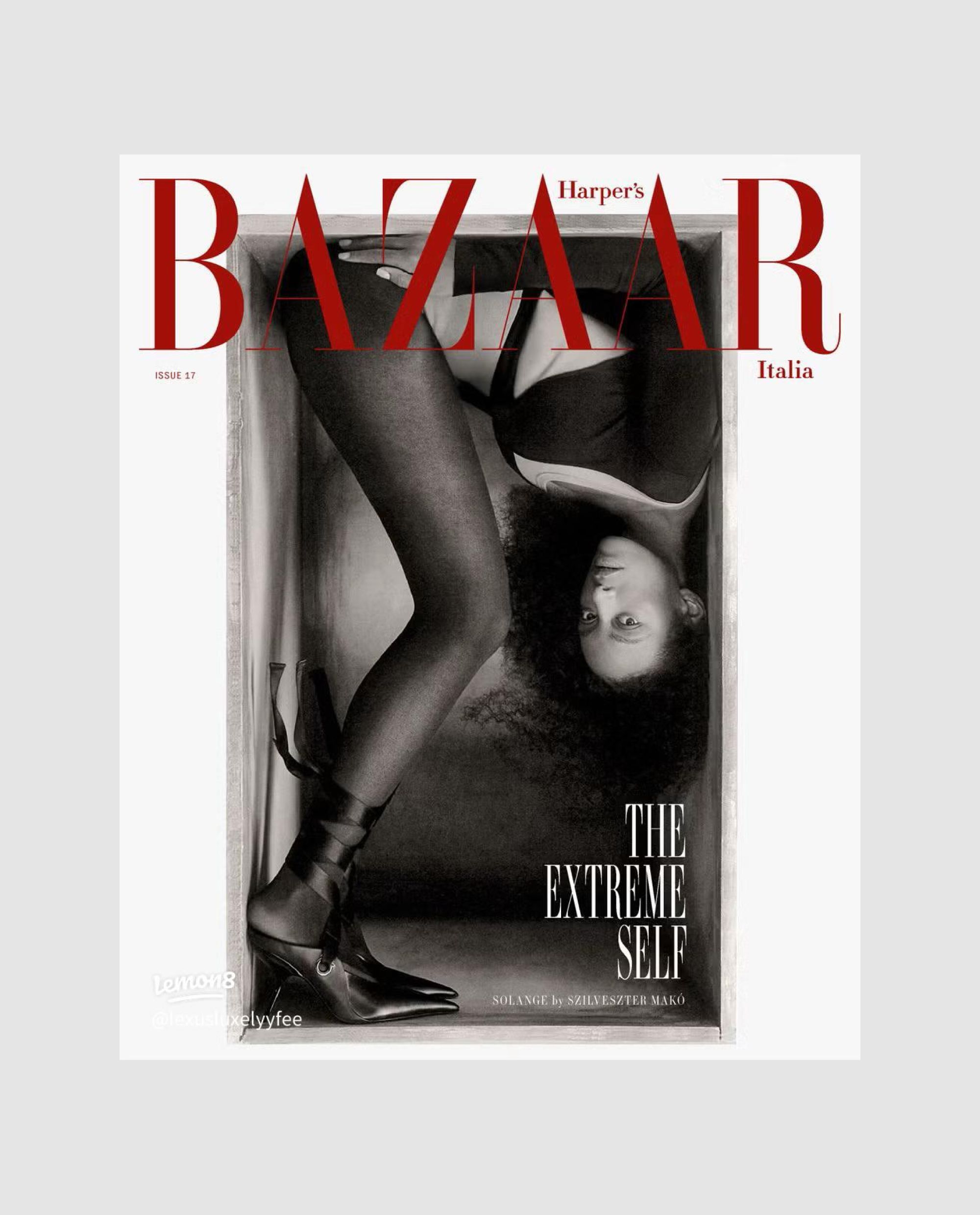
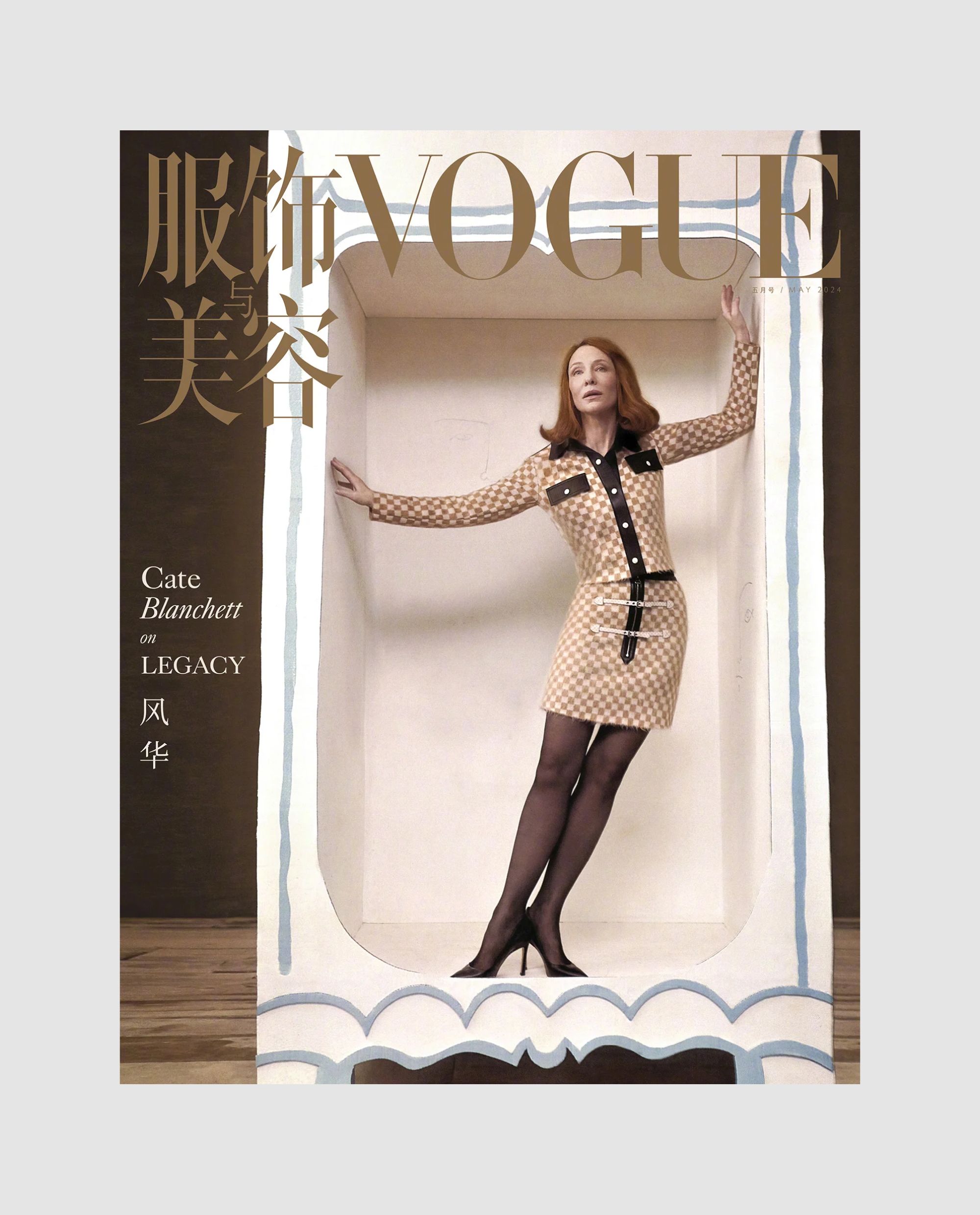
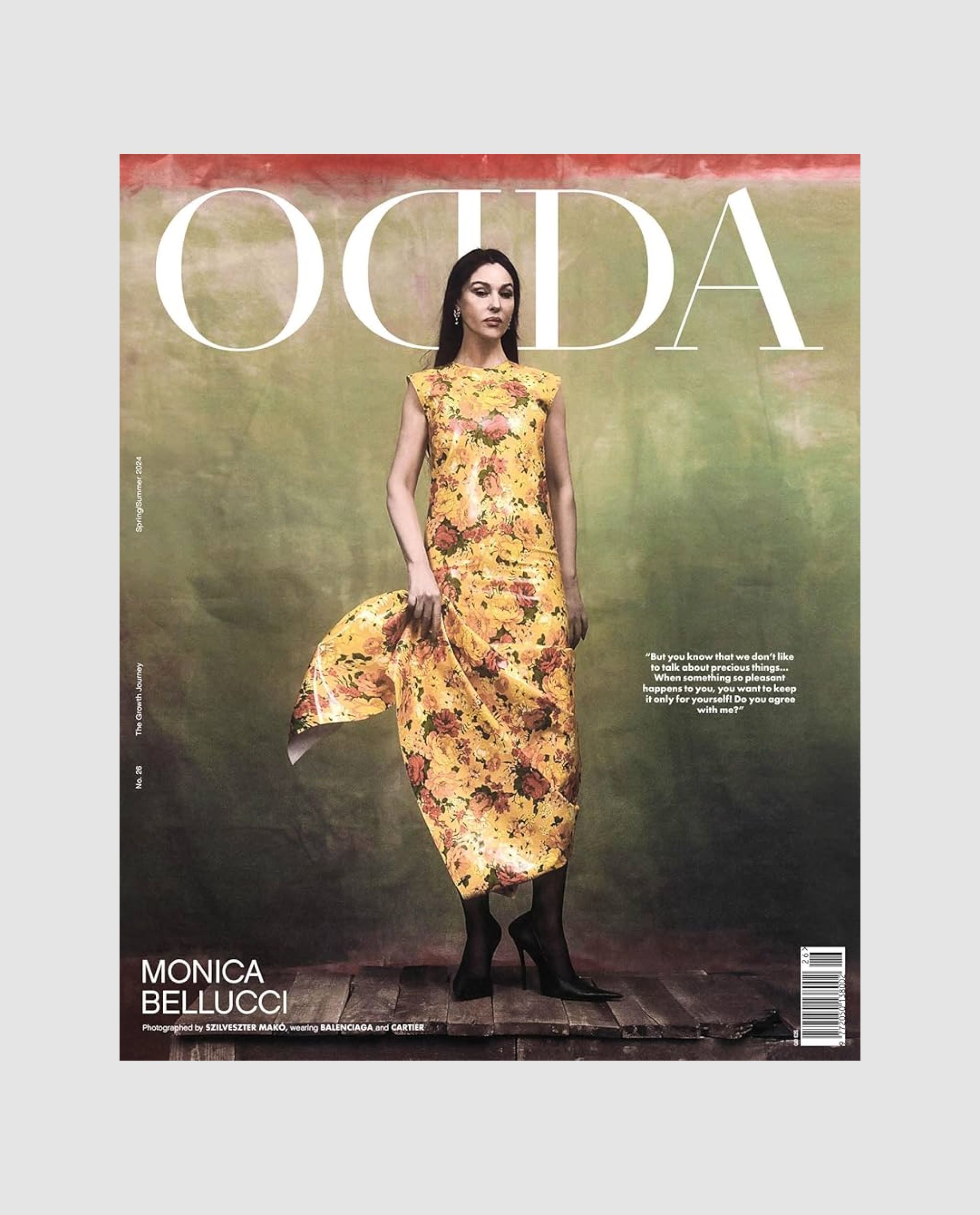
Q. 먼 미래에 당신이 찍은 수만 장의 사진이 발견되었을 때, 후대의 사람들이 당신의 작업을 통해 '21세기'라는 시대를 어떻게 재해석하길 바라시나요?
Q. If, in the distant future, thousands of your photographs were rediscovered, how would you hope future generations reinterpret the 21st century through your work?
A. 나는 그들이 절제를 보았으면 한다. 과잉과 끊임없는 자극, 언제나 어디에나 넘쳐나는 이미지의 세기 속에서, 누군가는 규율을 선택했다는 증거로 내 작업이 남기를 바란다. 그것은 한계 때문에가 아니라, 신념에 의해 스스로 경계를 세우고 그 안에 머문 선택이었다는 것을.
또한 그들이 역사로부터의 영향을 읽어주기를 바란다. 21세기는 과거와의 단절이 아니라, 그 이전 모든 것과 이어지는 연속이자 대화였다는 사실을. 르네상스, 바우하우스, 민속, 포스트 공산주의 동유럽이 모든 것이 하나의 프레임 안에서 겹쳐지고 충돌하고 있음을 말이다.
그리고 골판지, 재활용 목재, 불완전한 페인트 같은 수공의 요소들을 알아보고, 디지털 완벽함의 시대에 누군가는 여전히 손의 흔적을 고집했다는 것을 이해해 주기를 바란다. 노동과 느림, 불완전함에 가치를 두었다는 사실을.
또 하나, 그들이 그 고요함을 느꼈으면 한다. 내 이미지는 시끄럽지 않다. 공격적이지도 않고, 관심을 요구하지도 않는다. 그저 기다릴 뿐이다. 다가와서 더 오래 바라보기를 요청한다. 소음의 세기 속에서, 그 고요함이 하나의 저항처럼 느껴지기를 바란다.
하지만 무엇보다도, 나는 그들이 모든 것을 해독하려 들지 않기를 바란다. 나는 서사를 보존하기 위해 사진을 만들지 않는다. 그것들은 나 자신을 위한 것이고, 내가 느끼는 것을 외부로 끄집어내기 위한 것이며, 내 머릿속에만 존재하는 세계를 구축하기 위한 것이다. 미래의 누군가가 내 작업을 보고, 완전히 이해하지 않더라도 어떤 감정이든 느낀다면, 그것으로 충분하다.
A. I hope they see restraint. In a century of excess, of constant stimulation, of images everywhere all the time, I hope my work stands as evidence that someone chose discipline. That someone built boundaries and stayed within them, not out of limitation but out of conviction.
I hope they see the influence of history, that the 21st century was not a clean break from the past but a continuation, a conversation with everything that came before. The Renaissance, the Bauhaus, folklore, post-communist Eastern Europe, all of it layered and colliding in a single frame.
I hope they recognize the handmade elements, the cardboard, the recycled wood, the imperfect paint, and understand that in an age of digital perfection, someone insisted on traces of the hand. That someone valued labor, slowness, imperfection.
And I hope they feel the quietness. My images are not loud, they're not aggressive, they don't demand attention. They wait. They ask you to come closer, to look longer. In a century of noise, I hope that quietness feels like an act of defiance.
But most of all, I hope they don't try to decode everything. I don't make pictures to preserve a narrative. I make them for myself, to externalize what I feel, to fabricate what I see, even if it exists only in my mind. If future generations look at my work and feel something, anything, without needing to fully understand it, that's enough.
Q. 마지막으로, 지금 한국에서 사진을 작업하고 있는 이들, 혹은 사진가를 꿈꾸며 자신의 언어를 만들어가고 있는 이들에게 당신의 경험을 바탕으로 전하고 싶은 이야기가 있다면.
Q. Finally, for those currently working in photography in Korea, or for those who dream of becoming photographers and are in the process of developing their own visual language, is there anything you would like to share based on your own experience?
A. 스스로에게 제약을 만들어라. 자유를 쫓지 마라. 그것은 오히려 사람을 마비시킨다. 규칙과 경계, 규율을 스스로에게 부여하고, 그것들이 몸에 밸 때까지 그 안에서 작업하라. 바로 그 지점에서 너만의 언어가 탄생한다.
모든 것을 공부하되, 아무것도 그대로 베끼지는 마라. 르네상스 회화, 바우하우스 타이포그래피, 민속 직물, 현대 패션, 영화의 한 장면까지 너를 끌어당기는 모든 것을 보아라. 하지만 거기서 무언가를 가져올 때는, 오직 너를 움직이게 한 단편만 취하라. 그리고 그것을 너만의 제약이라는 필터에 통과시켜라. 일관성은 출처에서 나오는 것이 아니라, 그 필터에서 나온다.
과정에 인내심을 가져라. 나의 후반 작업은 느리고, 고되고, 거의 고풍스럽다. 많은 사진가들이 이미 이런 방식에서 멀어졌지만, 나는 그것을 붙잡고 있다. 그것이 나의 것이기 때문이다. 속도가 너의 작업 방식을 지배하게 두지 마라. 시간이 걸리는 일이라면, 기꺼이 그 시간을 허락하라.
너의 기이함을 받아들여라. 나는 자폐 스펙트럼 어딘가에 있고, 나의 사고는 OCD, 청결함, 질서에 대한 강한 욕구와 얽혀 있다. 오랫동안 나는 이것이 문제라고 생각했고, 극복해야 할 대상이라 여겼다. 하지만 이제는 안다. 그것이 바로 내 작업의 토대라는 것을. 너를 이상하게 만드는 것, 너를 다루기 어렵게 만드는 것 그것이 바로 너의 재능이다. 지워버리거나 매끈하게 다듬지 마라.
마지막으로, 무엇보다 먼저 자신을 위해 작업하라. 나는 세상을 바꾸기 위해 사진을 만들지 않는다. 말로 표현할 수 없는 무언가를 밖으로 끄집어내야만 하기 때문에 만든다. 다른 사람들이 그것과 연결된다면 물론 아름다운 일이지만, 그것이 창작의 이유는 아니다. 오직 타인을 위해서만 작업하기 시작하는 순간, 너의 언어는 사라진다. 이기적으로 남아라. 고집스럽게 버텨라.
A. Create restrictions for yourself. Don't chase freedom, it's paralyzing. Give yourself rules, boundaries, disciplines. Work within them until they become second nature. That's where your language will emerge.
Study everything, but don't copy anything. Look at Renaissance paintings, Bauhaus typography, folklore textiles, contemporary fashion, film stills, whatever pulls you in. But when you take something from it, take only the fragment that moves you, then filter it through your own restrictions. The coherence comes from the filter, not from the sources.
Be patient with your process. My post-production is slow, laborious, almost archaic. Most photographers have moved away from this kind of work, but I hold onto it because it's mine. Don't let speed dictate your practice. If something takes time, let it take time.
Embrace your oddness. I exist somewhere on the spectrum of autism, my mind intertwines with OCD, cleanliness, the need for order. For years I thought this was a problem, something to overcome. Now I know it's the foundation of my work. Whatever makes you strange, whatever makes you difficult, that's your gift. Don't smooth it away.
And finally, make work for yourself first. I don't make pictures to change the world. I make them because I must, because they externalize something I can't express in words. If others connect to them, that's beautiful, but it's not the reason I create. The moment you start making work only for others, you lose your language. Stay selfish. Stay stubborn.
Fake Magazine Picks
웨스 앤더슨이 제작한 단편 영화 같은 광고 6선
YELLOW HIPPIES(옐로우 히피스)